Updated:November 13, 2026

9 min

0
Timeframes and setups for swing trading: a practical overview
Swing trading is a way of holding positions through more than one trading session to capture a move lasting several days or weeks. It usually requires less screen time than day trading, but it brings overnight gap risk and financing costs. A useful strategy for swing trading starts with a market trend, a clear level where the trade idea fails and enough room for the position to develop. The goal is to trade a defined price structure, not predict every daily candle.

Vishenko Dmitry
Author

Updated November 13, 2026
What is swing trading and who does it suit?
A swing trader might buy a stock after a pullback and hold it for eight trading days. Another might sell a currency pair after a failed rally and close the position the following week. There is no fixed minimum holding period that makes a trade a swing trade. The practical distinction is that the setup is built around a multi-session move and the trader accepts the risk of price changing while markets are closed or the screen is off.
People with full-time jobs often find this style more manageable than monitoring a one-minute chart. Entries and adjustments can be planned around the daily close. The trade-off is patience. A position may do very little for days, and the correct decision may be to leave it alone rather than repeatedly changing the stop.
Swing trading compared with position trading
Position traders usually operate over longer horizons, sometimes months. Swing traders often work inside a broader move, taking a portion between support and resistance or across a recognizable trend leg. A strategy can sit between the labels. What matters for risk is the intended hold, the chart timeframe used to set the stop and how the broker charges for overnight exposure.
Swing trading timeframes and holding periods
Daily and four-hour charts are common places to plan swing trades. Weekly charts help with the larger trend and major price zones. An hourly chart can refine an entry, but a tight stop copied from an hourly noise pattern may not fit a daily trade thesis. Use each timeframe for a different job rather than multiplying signals until one agrees with the desired position.
For example, a trader might see a weekly uptrend, locate a daily pullback into prior support and wait for a four-hour candle to regain a short-term level. The stop belongs where the daily pullback structure is invalidated, not at the nearest five-minute low. That may require reducing position size so the account can tolerate the wider stop.
Strategy for swing trading: trend, pullback and breakout setups
Three common approaches deserve separate tests. A trend continuation setup waits for a correction within an established direction. A breakout setup looks for price to leave a multi-session range. A reversal setup tries to capture a change in direction after a failed trend. Each has different failure modes; combining them into one vague strategy makes the trading journal hard to interpret.
Trend pullback: an example with entry, stop and target
Suppose a hypothetical stock is rising and repeatedly finds support near its 20-day moving average. It pulls back from $105 to $99, then closes above a recent minor high at $101. A trader might plan an entry near $101.50, a stop below the pullback low at $98.50 and an initial target near the previous $105 high. The initial risk is $3 per share and the target offers $3.50, or about 1.17 times risk, before costs. That might be too small for a strategy requiring at least 2:1, so a disciplined trader can simply pass.
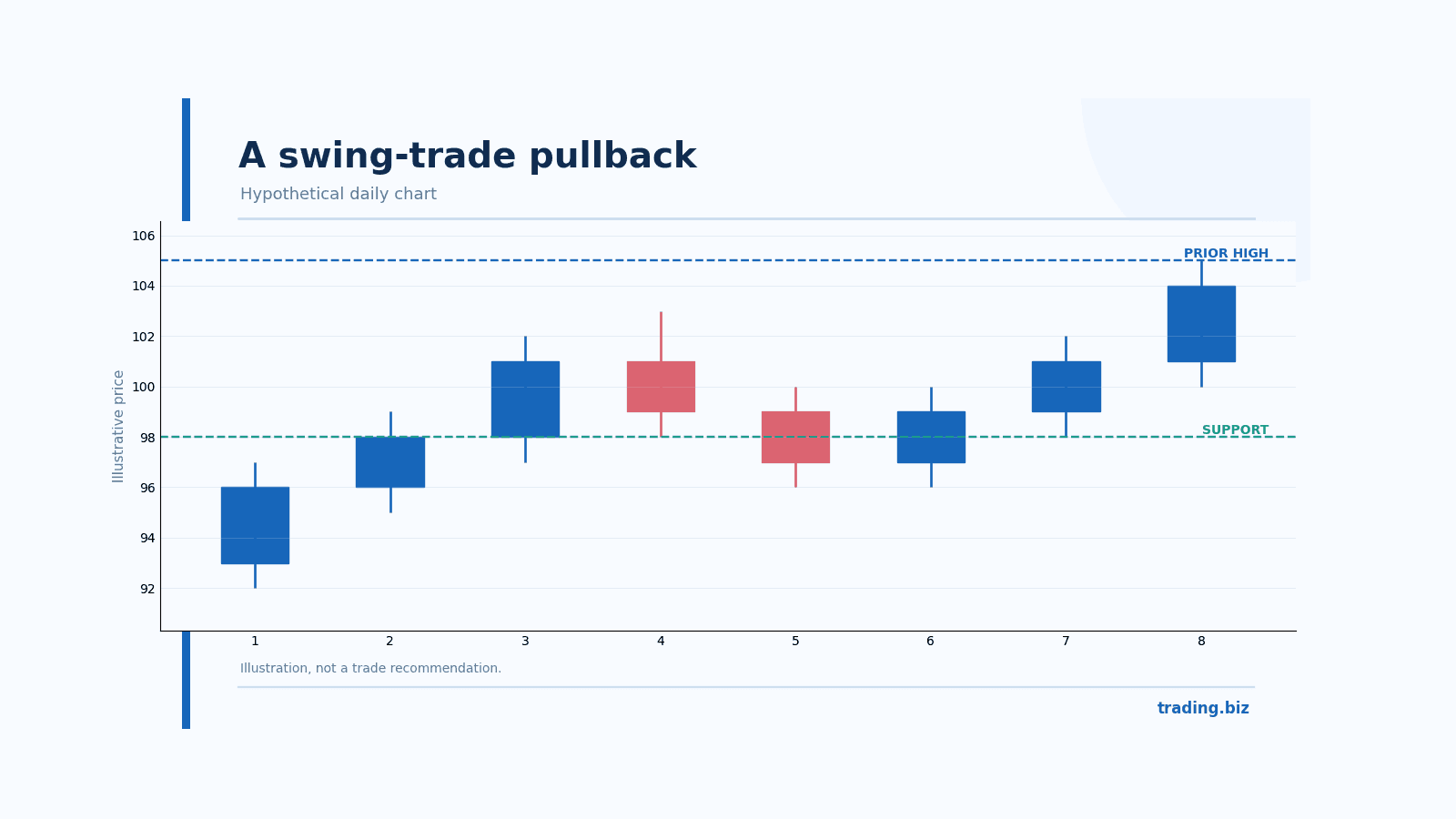
Figure 1. An illustrative pullback into support during a rising swing.
The important habit is doing the math before the trade. If the stop must be at $98.50 to invalidate the setup, moving it to $100.80 just to make the reward ratio look better changes the trade. The chart has not agreed to honor the smaller stop.
Breakout from a consolidation
A range breakout often begins with several candles compressed between clear boundaries. The trader can wait for a close outside the range, then consider an entry on a retest. The danger is buying the first candle that pokes above resistance and then watching it close back inside the range. Some traders demand volume or multiple closes as confirmation, at the cost of a later entry.
A breakout rule should name the relevant timeframe and close condition. "Breakout looks strong" is not testable. "Daily close above the prior ten-session high, with the next session staying above the level" is at least a defined observation you can review.
Countertrend reversal setup
Reversals have appeal because the entry can be near the start of a new move. They are also easy to overtrade. A lower low followed by a stronger bounce may be the first clue, but a single reversal candle rarely proves that a downtrend has ended. Wait for evidence that buyers can hold a higher low or reclaim a significant resistance level. The stop should account for a possible retest of the old low.
Swing trading versus day trading: time, stress and capital
Day traders usually close positions before the relevant session ends. Swing traders accept overnight exposure, which reduces time spent watching intraday noise but increases uncertainty around earnings, macro announcements and weekend events. The amount of capital needed depends on instrument and stop distance, not the label. A swing trade with a 4% stop may be inappropriate at a position size that made sense for a day trade with a 0.4% stop.
A day trader pays the cost of frequent transactions. A swing trader may pay fewer commissions but more financing charges on leveraged products. Neither style guarantees a better return. Choose based on the opportunities you can monitor reliably and the type of risk that fits your circumstances.
Risk management, stop placement and overnight gaps
Stop placement is the hardest part of many swing setups. A nearby stop reduces the dollar risk per share but may sit inside ordinary daily volatility. A wide stop gives the trade room while requiring smaller size. Size from the stop distance rather than moving the stop to match the position you wish to hold.
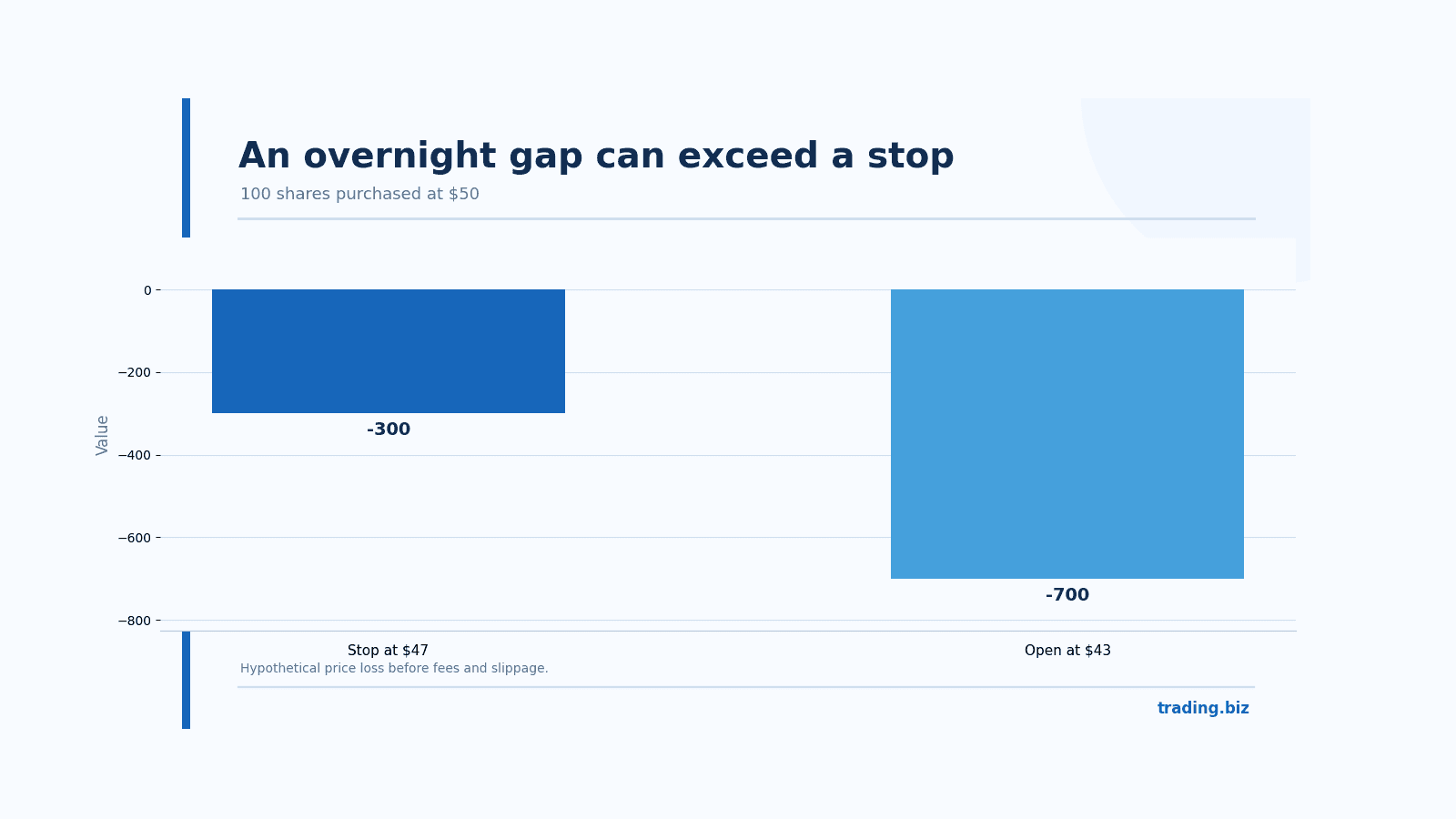
Figure 2. A stock gap can produce a larger loss than the planned stop.
Overnight gaps deserve their own plan. A stock can close at $100 with a stop at $96 and open at $91 after an unexpected announcement. A stop-market order may fill near the opening market rather than at $96. That is why position size should allow for losses beyond the planned stop. Earnings dates, dividends and major macro releases should be reviewed before holding through them.
A simple weekly risk limit
Decide how much account equity can be at risk across all open positions. Several technology stocks may react to the same market event, so their stops are not independent. A trader risking 1% on each of five highly correlated positions may be exposing the account to a much larger single-event loss than intended. Portfolio exposure deserves the same care as individual entries.
Markets and brokers for swing trading
Stocks and ETFs offer clear cash-market ownership, but borrow and short-sale rules matter for bearish positions. Forex and CFDs permit different directional exposures, subject to regulation, but swap or overnight financing charges can accumulate. Futures have contract expiries and margin requirements. Crypto runs through weekends, so "overnight" is an ongoing exposure rather than a trading halt.
Check the broker's exact schedule, margin policy and stop-order behavior. A platform with good charts but unreliable overnight risk controls is not a sound fit. In a multi-week holding strategy, financing can have a material effect on returns even when the chart idea was sound.
A gap-risk example for swing trading stocks
Imagine buying 100 shares at $50 with a stop intended at $47. Planned price risk is $300 before commissions. The company announces unexpected results after the market closes and the stock opens at $43. A stop-market order may fill near $43, making the price loss about $700 rather than the planned $300. The difference is a normal feature of gap risk, not evidence that the broker secretly changed the stop.
A swing trader can manage that risk by reducing size ahead of earnings, choosing instruments with more predictable liquidity or deciding not to hold the event. An option may offer a different risk structure, but its premium and complexity matter. Never assume a tighter stop makes the gap problem disappear.
A weekly swing trading review
At the end of the week, check whether open positions still follow the original market structure. Note earnings and macro events scheduled before the next review. Recalculate total portfolio risk if several positions have moved closer to the same exposure. If a trade has reached its original target zone, decide whether the remaining reward justifies keeping it open rather than moving the goalpost without a plan.
The journal can distinguish trades that followed the setup from those entered because a stock had been running for several days. That difference is valuable. A strategy may have a solid process while a few winners were simply well-timed guesses; the review should not confuse them.
How to know a swing setup has ended
A profitable trade can become an unplanned long-term investment when the trader refuses to take an exit. Decide before entry whether the position will be closed at a target, trailed behind swing lows or reviewed after a fixed number of sessions. Each method changes the distribution of outcomes. Mixing all three only after a trade moves is not a coherent strategy.
A losing swing trade should end when the price structure invalidates the thesis or a defined risk limit is reached. If the trend changes, the fact that the asset still looks cheap is not a reason to ignore the stop. Keep the trade log honest about changes of plan, including those that happened to work.
FAQ about swing trading
How long does a swing trader hold a position?
Often several days to a few weeks. The time can be shorter or longer depending on the setup. The defining feature is targeting a multi-session move.
Is swing trading good for someone with a full-time job?
It can be, because daily or four-hour charts require fewer constant decisions. You still need a plan for gaps, earnings events and unexpected news.
What is a common swing trading strategy?
A trend pullback is popular: identify the broader direction, wait for a correction toward support and enter only if the price confirms the setup.
Is swing trading less risky than day trading?
The risks differ. Swing traders make fewer intraday decisions but carry overnight and weekend exposure. Leverage and position sizing matter in either style.
Should swing traders use a stop loss?
A predefined exit level helps manage risk, but a stop is not guaranteed to fill at the specified price during a gap. Size the position with that possibility in mind.
Official reference: FINRA order type guidance
Find Your Perfect Broker: Explore Our List Now!
Choose the best with our expert-selected options

Find Your Perfect Broker: Explore Our List Now!
Choose the best with our expert-selected options
Discover top binary options brokers tailored to your region. Browse our curated lists by country: