Updated:October 09, 2026

8 min
8 min

Learn more about how emerging economies are embracing crypto in 2026.

Author

A decade and a half after emerging, cryptocurrencies are already ingrained in traditional financial systems. This is evident in ventures such as Central Bank Digital Currencies (CBDCs), which became popular a few years ago, and the rollout and adoption of crypto ETFs, which influenced the market during 2024.
While these moves are driving adoption in the traditional economic powers, like the US and Europe, crypto adoption is also growing exponentially in emerging economies. From Latin America to Southeast Asia, institutions and companies are turning to digital assets. In some cases, it is seen as a way to improve the financial landscape, in the context of inflation and low access to foreign exchange assets. In others, however, it’s seen as a way to establish the country’s presence and dominance in global tech markets.
In countries with unstable economies, cryptocurrencies are seen as a better alternative for the people. Stablecoins are especially useful because they provide a way to protect savings and make international payments, like remittances. This is handy in countries with high inflation and little trust in traditional banking.
Proof of this is the increased adoption of stablecoins in Latin America and Sub-Saharan Africa, where stablecoin activity grew by over 40% from 2023 to 2024. This metric is lower in the US and Western Europe, where economies are more reliable.
In these countries, crypto is not merely a speculative asset but an economic solution to local financial issues.
Based on recent studies, it’s clear that crypto adoption is more prevalent in regions with emerging market economies. Out of the top 20 countries with higher adoption levels during 2024, most are located in Latin America, Africa, and Southeast Asia. The only outliers in this list are the US, ranked #4, the UK, ranked #12, and Canada, ranked #18.
This shows that appropriate economic conditions, paired with a tendency towards adopting new technologies, create a welcoming ground for crypto adoption. But the appropriate economic conditions, as we’ve seen, are not always positive. In Latin America or Africa, inflation and unreliable institutions are the main drivers.
Latin America is one of the most welcoming regions for crypto, both on individual and institutional levels. There’s the case of El Salvador, where President Bukele made Bitcoin legal tender in 2021. That same year, the government purchased 400 BTC.
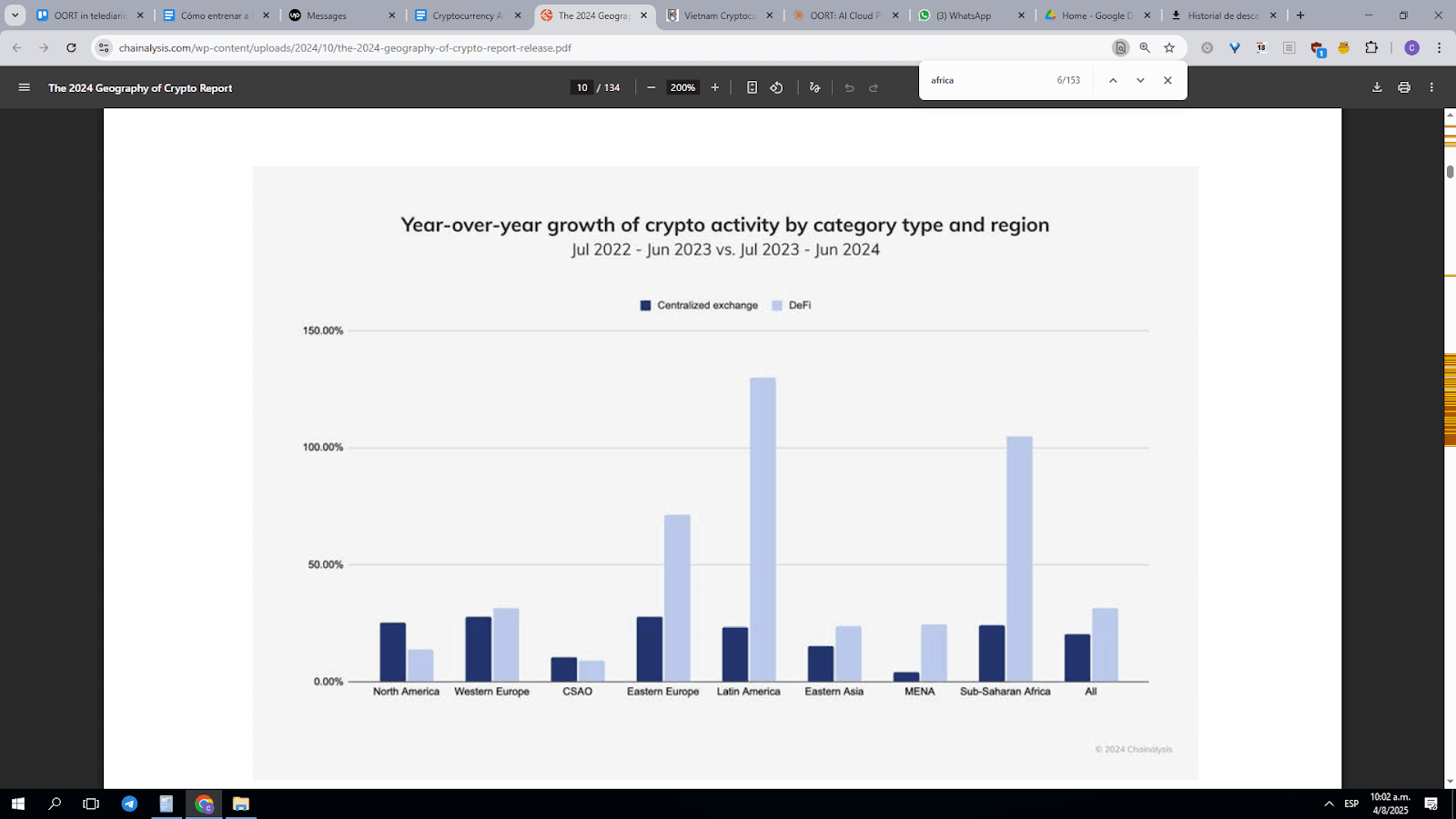
In the last couple of years, DeFi adoption in Latin America has increased by over 100%, the largest growth worldwide.
Source: Chainlink
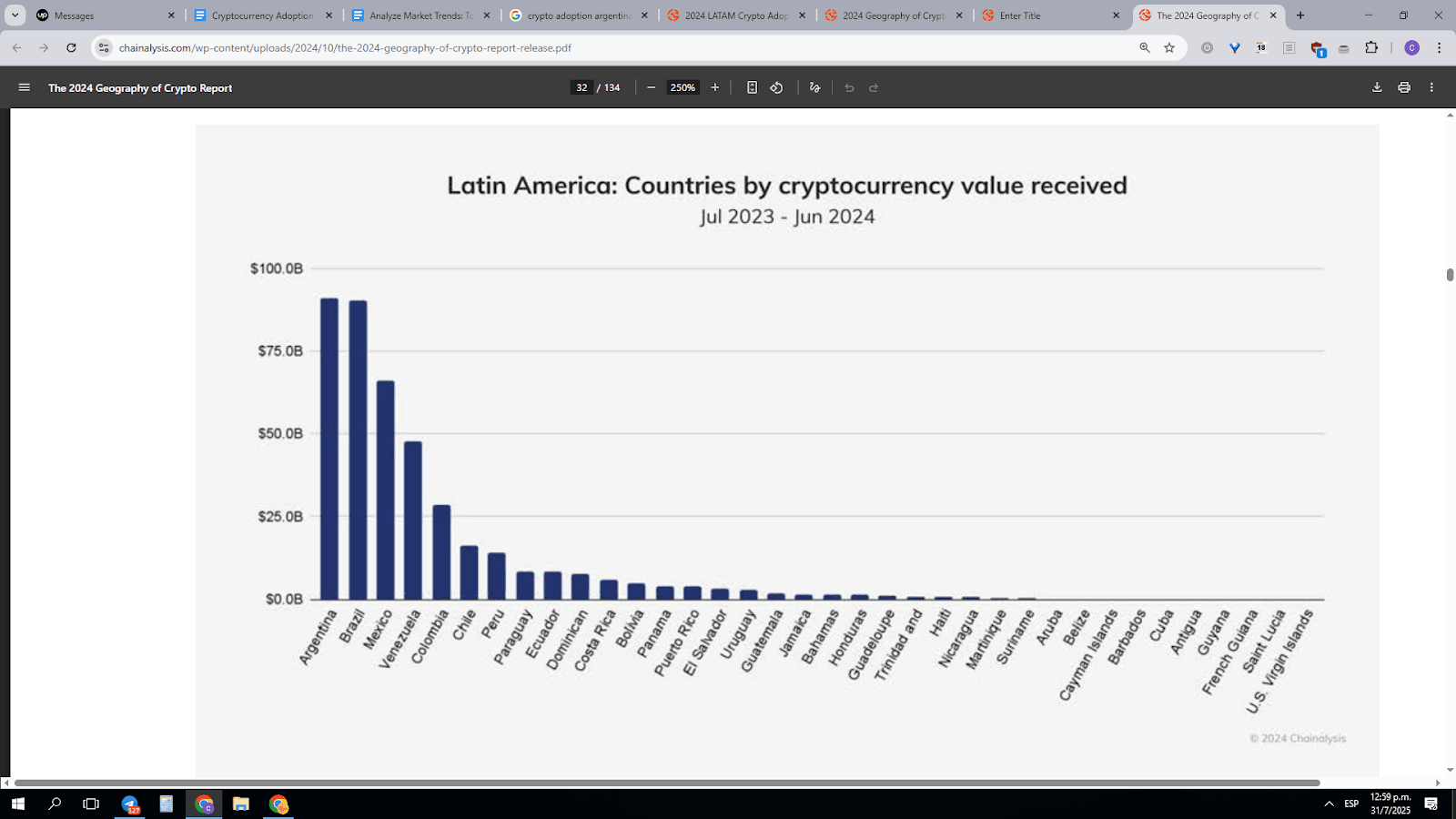
In Venezuela, crypto purchases grew by 110%, from July 2023 to June 2024. Argentina, during the same period, received over $91 billion in cryptocurrency value, placing the country as the leader in the region. In these cases, though, it does not come from government initiatives, but from particular attempts to circumvent exchange rate controls and high inflation.
Source: Chainlink
Brazil ranks second, with $90.3 billion received in cryptocurrency value. However, the current administration is proposing a bill to change crypto taxation, which may impact the local industry. At the time of writing, the law is being discussed in Congress.
In Africa, especially in the Sub-Saharan region, crypto also provides real use cases beyond regular investments, like P2P payments and remittances. The region has a large proportion of unbanked citizens, with over 60% of the population outside traditional banking systems.
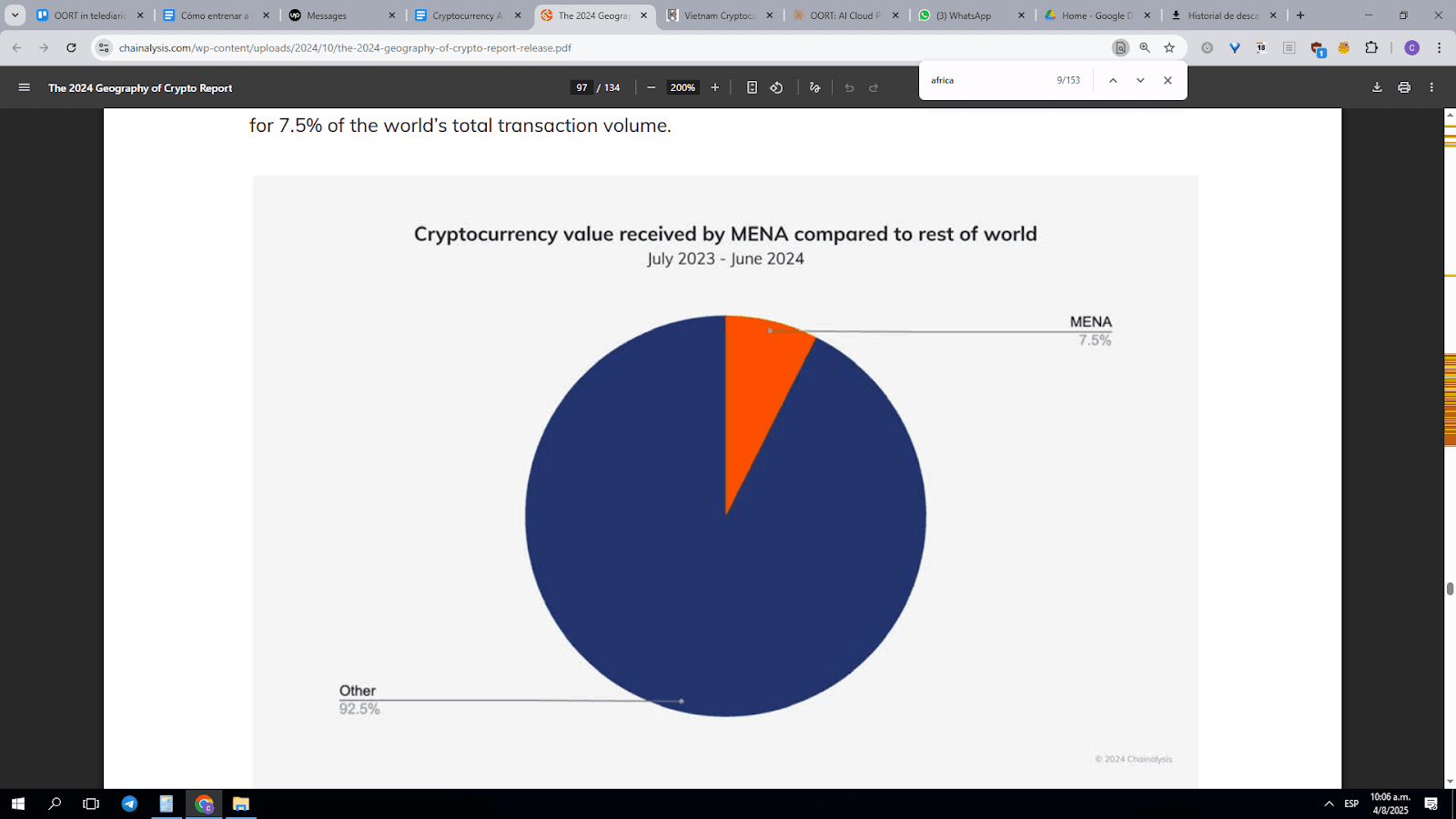
The Middle East and North African region is the seventh-largest market. From July 2023 to June 2024, the region received $338.7 billion in cryptocurrency. This represents 7.5% of the total crypto value received worldwide.
Source: Chainlink
The Sub-Saharan region shows a lower contribution to global markets. However, its crypto value increased by $7.5 billion in relation to the previous year.
Mobile applications, like M-Pesa or MTN Mobile Money, provide digital wallets for individuals in countries like Kenya or Uganda. This creates a favorable ground for the adoption of cryptocurrencies as well, in a region that depends greatly on remittances.
It’s worth noting that, by 2024, Nigeria was ranked second in the world by crypto adoption, according to Chainalysis studies. The success of crypto in Sub-Saharan Africa, beyond the limited access to traditional banking, is due to a lack of trust in local currencies, in the context of currency devaluation.
In the Southeast Asian region, there’s also a large presence of crypto initiatives. Vietnam recently approved a bill to legalize cryptocurrencies and digital assets, marking a milestone for the region.
According to the Chainalysis report, Vietnam ranked 5th by adoption in 2024. Triple-A, a Singaporean payments processor, ranked the country in the 7th position globally by crypto adoption, with over 17 million holders of cryptocurrencies.
Singapore, on the other hand, was named the 4th most crypto-friendly city by Multipolitan. In the 2nd place, we find Hong Kong. In these cases, the move towards crypto answers less to a context of financial instability. Instead, it’s a way for these small states to gain an advantage in the technological field and attract crypto investments.
The direct impact of these initiatives is felt more strongly in their local environments. But it also impacts the global ecosystem of cryptocurrencies. Investors from all over the world should stay up-to-date with what’s happening in emerging-market economies to stay ahead of future developments in the West. Rather than following global tendencies, emerging markets are innovating and setting the stage for larger trends.
There is still a lot of talk about crypto being a financial bubble. But, just like in the 90s with the dot-com bubble, there is a lot of value behind the crypto hype. Beyond speculative markets, crypto adoption in emerging economies provides real use cases: a hedge against inflation, a way of saving on fees for cross-border transactions, and a tool for financial inclusion.
We have seen the utility of cryptocurrencies in the adoption patterns worldwide. Latin American and African countries, with low banking rates and inflationary economies, are more eager to display grassroots support for this technology, as a way to overcome their local issues.
Following their roles as innovation hubs, emerging economies can help investors predict market dynamics on a global scale. This does not mean that the price will immediately increase or decrease, since we’re moving from a purely speculative mindset. Instead, focusing on the local applications in these regions can inform investors about what roles crypto can play in European and American markets in the future.
As the Chainalysis report states, crypto adoption is growing more quickly in the Central and Southern Asia and Oceania region (CSAO). Out of the 20 countries with the highest adoption rates, 17 are developing economies. There are 4 Latin American countries in the list and 7 from CSAO. It’s important to acknowledge the presence of new world economic powers, like South Korea, in this list.
The importance of these markets in a global context is often overlooked. However, they are currently creating new ways of integrating crypto into the everyday lives of the population.
Staying ahead of market dynamics in global emerging economies goes beyond simply checking the crypto market news. This is a valid source, of course, but investors should also monitor crypto charts and learn how to interpret them. Charts can provide further insight into the impact of regional news.
For example, the approval of crypto-friendly legislation can increase demand. As a result, prices go up. Meanwhile, heavy taxation may reduce crypto trading in a specific region and decrease demand.
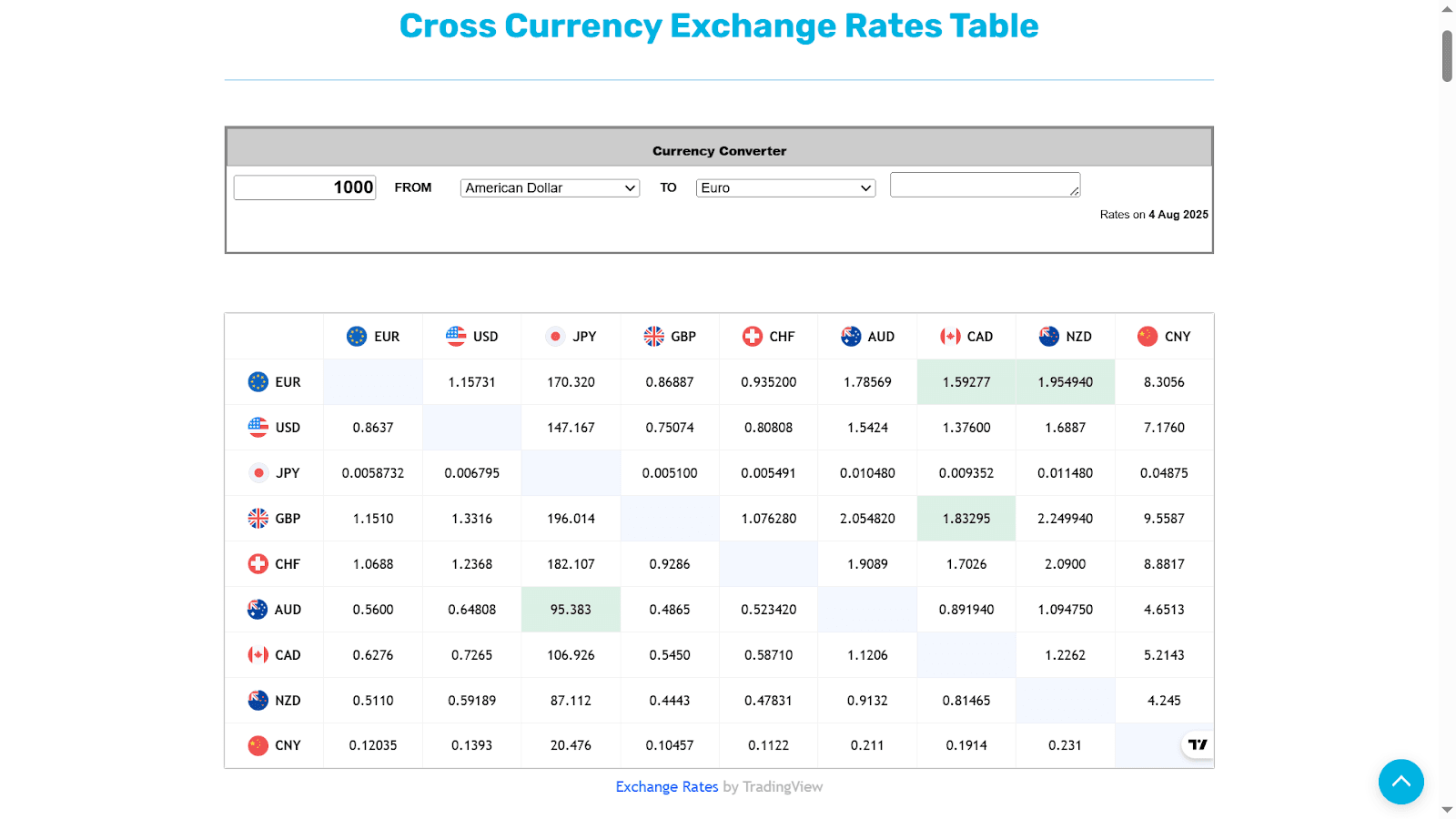
Cross-rate charts can be a very valuable tool, especially in inflationary currencies like the Argentine Peso or the Nigerian Naira. The exchange rate for these currencies varies daily, and traders need to verify the rate before each trade.
Source: Trading.biz
Bitcoin or Ethereum, as well as stablecoins, are used in these economies as a store of value. But, even so, investors still need to interact with the local currencies for purchases or small payments.
There are many factors that affect markets globally. Inflation reports, elections, and central bank statements can impact crypto markets in emerging economies. Economic calendars can be useful tools to keep track of upcoming events that could influence markets regionally and globally.
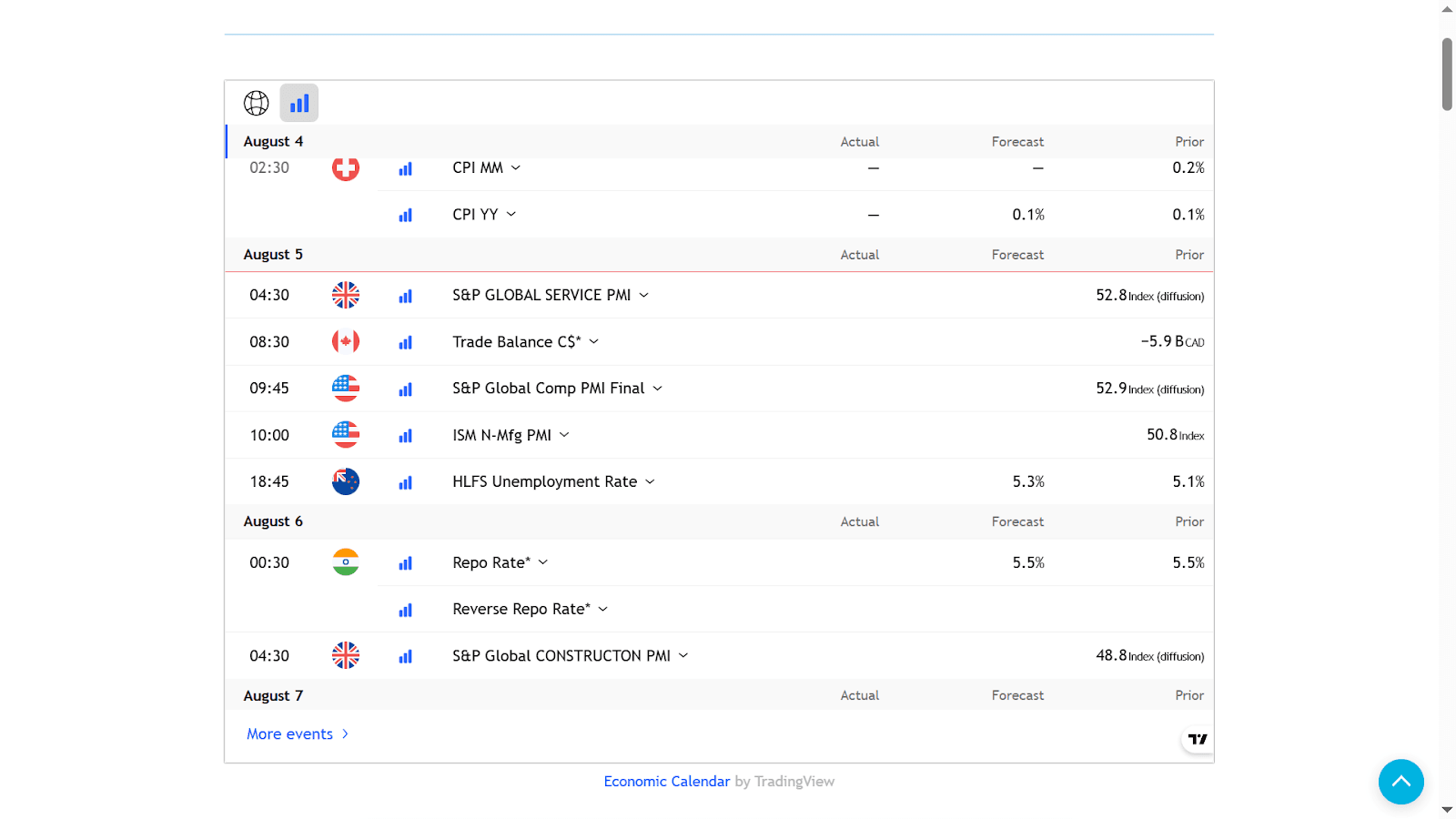
Source: Trading.biz
In the same vein, an earnings calendar tracks financial reports by major companies across the globe. This can be useful to track the performance of corporations and measure their impact. In emerging economies, with weaker currencies, the effect of these reports can be greater than in developed countries. It’s worth remembering that investors’ sentiment is an important driving force in crypto markets today.
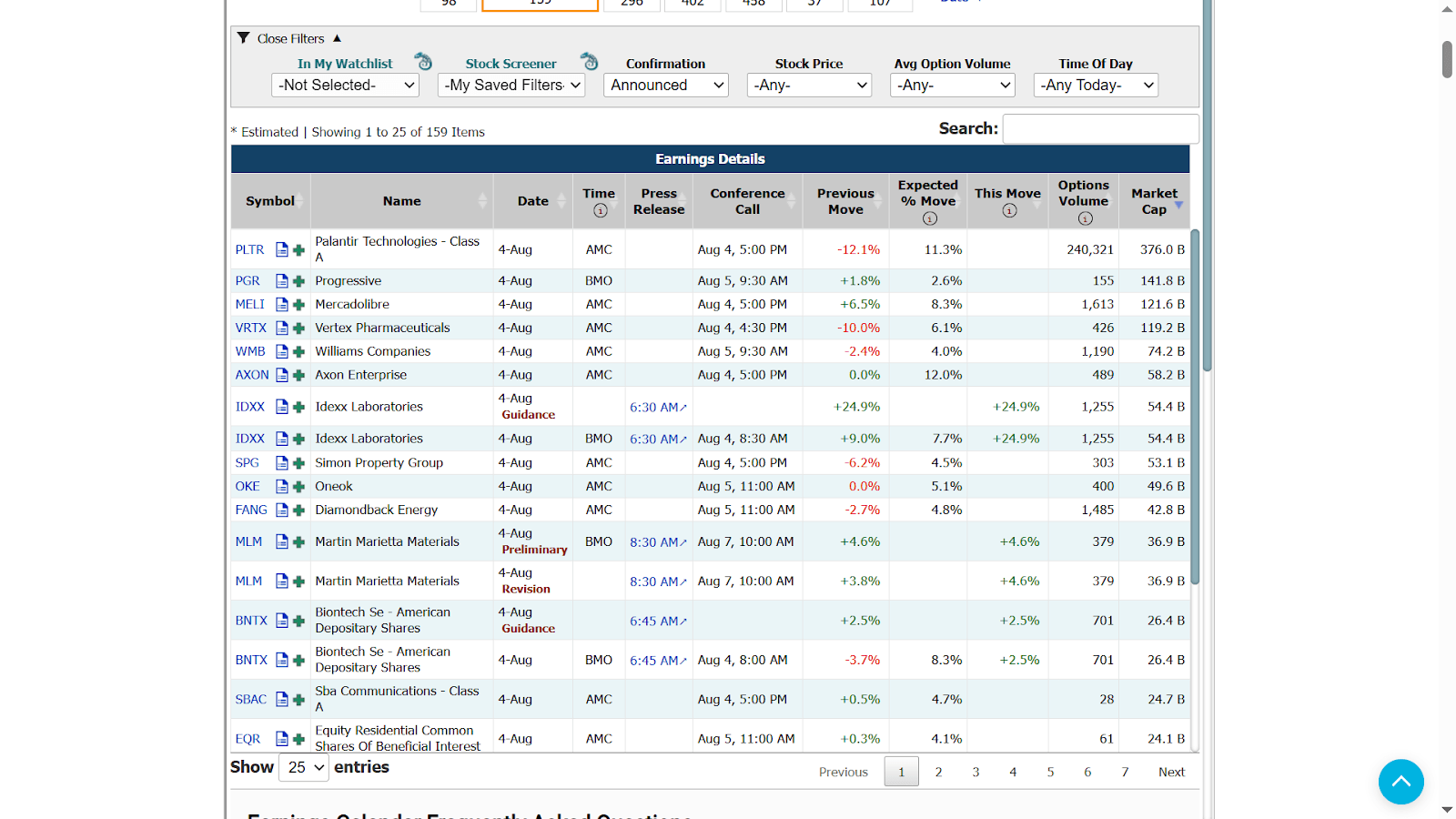
Source: Trading.biz
The key to a successful investment consists of tracking and analyzing before making any decision. Using Trading.biz tools, investors can keep track of market dynamics in emerging market economies that are driving the crypto ecosystem now. As we’ve seen throughout this article, innovation hubs for crypto are located in Asia, Africa, and Latin America.
Looking past their unstable financial reputation, or perhaps because of this instability, these regions are leading the adoption and implementation of cryptocurrencies and blockchain technology. The effect of their ventures will impact the development of the markets in developed countries in the future.
Try online trading right now.
null
Your capital might be at risk. The financial services provided by this website carry a high level of risk and can result in the loss of all your funds. You should never invest money that you cannot afford to lose.
Find Your Perfect Broker: Explore Our List Now!
Choose the best with our expert-selected options

Find Your Perfect Broker: Explore Our List Now!
Choose the best with our expert-selected options
Discover top binary options brokers tailored to your region. Browse our curated lists by country:
1607