Updated:November 18, 2026

11 min

Best crypto trading apps in 2026: fees, P2P and mobile tools
The best crypto trading apps depend on where you live and what you need to do. Someone buying Bitcoin every month has different priorities from a trader placing ten limit orders a day.

Ivanna Petrova
Author

Updated November 18, 2026
The best crypto trading apps depend on where you live and what you need to do. Someone buying Bitcoin every month has different priorities from a trader placing ten limit orders a day. A clean interface matters, but so do the final price, withdrawal options and the exchange's handling of client assets. A familiar brand is a useful starting point, not the whole decision.
In this guide, we compare the practical choices: Binance and Bybit for broad trading tools, CoinDCX and CoinSwitch for users in India, and Coinbase and Kraken for people who prefer a relatively straightforward route into spot crypto. Availability changes by jurisdiction. Check the legal entity and features shown during registration before sending money.
How a crypto trading app differs from an exchange website
A crypto trading app is the mobile interface to an exchange or brokerage service. The underlying order book, custody arrangement and account rules matter more than the screen size. Many apps offer the same account on desktop and mobile, although advanced chart layouts, order types or tax reports sometimes work better in a browser.
Look for two distinctly different purchase routes. An instant buy button typically quotes a price, adds a spread or service fee, and completes the transaction. A spot exchange lets you place an order against other traders, often with a published maker-and-taker schedule. A market order takes available liquidity. A limit order waits for your price and may qualify for a maker rate if it rests on the book.
A third route is peer-to-peer trading, or P2P. Here you pay another person using an approved payment method while the marketplace holds the crypto in escrow. This can help in countries with limited bank integrations, but it introduces counterparty and payment-fraud risks. P2P pricing can also be considerably worse than the displayed global spot price.
How we selected the best crypto trading apps
We looked at the questions a user can verify before their first deposit. Are the services available in their country? Can they withdraw crypto to their own wallet? Is the trading fee published? Does the app show its spread before confirmation? Is there a meaningful way to contact support after an account restriction?
We also separated useful security controls from marketing claims. Two-factor authentication, withdrawal address allowlists, anti-phishing codes and device management are practical. Proof-of-reserves reports may offer extra visibility, though they do not establish every liability or replace independent financial oversight. An exchange can have a reputable app and still expose users to custody and market risks.
Fees deserve a worked example. On a $1,000 spot trade, a 0.10% trading fee costs $1 before other charges. A quoted price that is 0.8% worse than the underlying market adds about $8. A no-commission instant buy may therefore cost more than a transaction with a clearly stated fee. Use the final amount of crypto received, not the banner advertising a low fee, for comparison.
Best crypto trading apps compared in 2026
| App | Useful for | Things to verify before using it |
|---|---|---|
| Binance | Active spot traders, broad coin selection, P2P where offered | Country access, P2P currencies, withdrawal fees |
| Bybit | Charts, order controls and active trading | Product restrictions and derivatives eligibility |
| CoinDCX | INR-linked spot access in India | Current INR fee tier, GST, deposits and withdrawals |
| CoinSwitch | Indian mobile users wanting simple purchases and trading tools | Quote spread, available market, applicable product fee |
| Coinbase | Beginners preferring a guided purchase flow | Simple-buy spread versus advanced trading fees |
| Kraken | Spot trading and more detailed order placement | Payment methods, local availability and verification |
These are candidates for comparison, not an ordered ranking. Platforms change fees and sometimes suspend specific assets or payment rails. A good trade cryptocurrency app today may be a poor fit for a person whose local bank is unsupported.
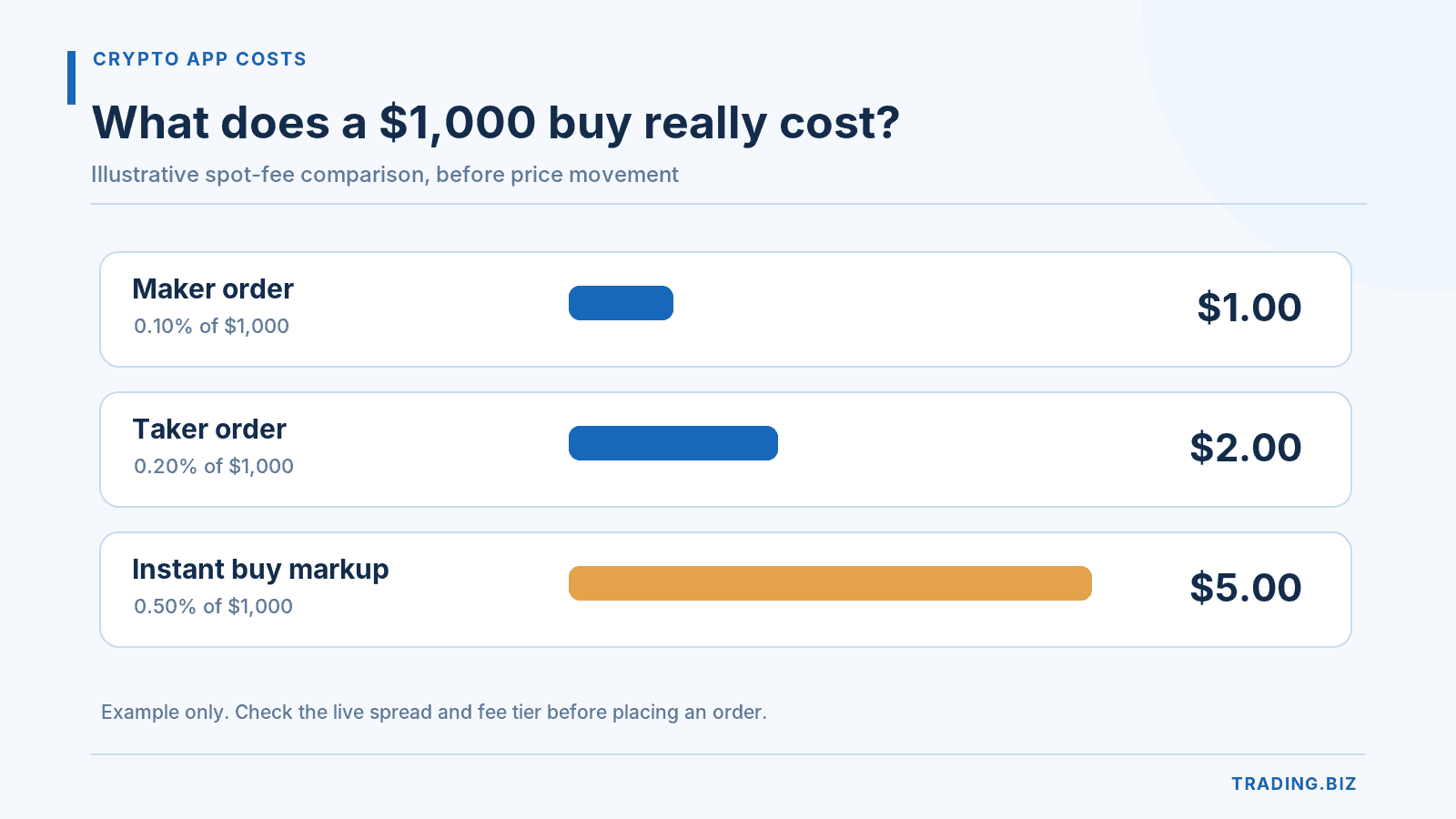
Figure 1. Illustrative $1,000 spot-order cost comparison.
Binance for spot markets and P2P traders
Binance has an extensive mobile trading interface with order books and advanced order types. Users can switch between simplified buying screens and the more detailed spot market. That flexibility can be valuable after you learn to use limit orders. The drawback is complexity: the app offers products that beginners may not need, and access differs by country.
Its P2P marketplace is particularly location-dependent. A user in one market may see bank transfers and local wallets while another sees no supported currency. Binance discontinued Nigerian naira services, including NGN P2P pairs, in 2024. Do not assume a tutorial filmed in another country applies to your account. Stick to on-platform chat and escrow when the service is available.
CoinDCX and CoinSwitch for Indian users
An Indian resident often cares more about INR deposits and tax records than about the largest list of trading pairs. CoinDCX provides INR and crypto-to-crypto markets. Its official VIP schedule distinguishes INR spot fees from crypto-to-crypto fees; it also states that GST applies to trading fees. Check your own tier because a headline maker rate may refer to an entirely different market.
CoinSwitch emphasizes app-based access and has expanded its trading tools. Its products are not all priced alike. Instant purchases, spot trading and derivatives can follow different schedules. Review the preview screen, the exchange rate and the product type. India also has specific virtual digital asset tax and TDS rules, discussed separately below.
Coinbase and Kraken for a simpler spot workflow
Both names are worth checking if they serve your country. Coinbase gives casual buyers a direct purchase path, but the convenience of that interface can involve a spread. Compare it with the advanced spot trading screen before placing a large order. Kraken offers a fuller trading interface without forcing every user into leveraged products. Its available funding methods depend on residence and verification.
A beginner should spend a few minutes finding the withdrawal button before funding any app. If the app allows only selling back to local currency but not sending coins to an external wallet, that limitation may matter later. Check network choices too: sending tokens through the wrong blockchain can make recovery extremely difficult.
Bybit for experienced chart users
Bybit is often considered for its charting and trading controls. Access and supported derivatives vary widely. In India, Bybit announced that its app access had been restored in 2025 following FIU-IND registration. Registration for anti-money-laundering reporting is a meaningful compliance step; it should not be described as government insurance or an endorsement of investment safety.
For a beginner, the ability to trade perpetual futures is a reason for caution. Leverage can wipe out collateral quickly, even during routine price swings. Spot buying is easier to understand and gives you more time to learn how spreads and order books work. Before using leverage, test a trade with the crypto position-size calculator.
A useful fee comparison should use the order size you place. On a $1,000 spot purchase, a 0.10% taker fee costs $1. A platform charging 0.20% costs $2. That dollar difference is modest for one trade, but repeated orders and later withdrawals add up. Also check the spread between the best bid and ask. An instant-buy quote can include a markup even when the displayed trading commission is zero. Save the final order preview on two platforms and compare the amount of crypto delivered for the same cash amount. That is more meaningful than a fee tier advertised for customers who trade millions.
P2P trading and local payment methods
P2P trading seems straightforward: choose a seller, transfer money, receive crypto. The problem cases are less straightforward. Fraudsters may send a forged transfer receipt, ask to move the discussion to a messaging app, or pressure the buyer to release assets before money has cleared. An account name that does not match the verified P2P identity deserves attention.
Compare the effective rate with the normal spot market. Suppose one seller offers a stablecoin for 5% above the reference rate. On a $500 equivalent purchase, that premium costs about $25, even if the transaction page says 'zero trading fees.' Liquidity and demand affect premiums, so they can change throughout the day.
Some regions support bank transfers, UPI or local wallets; others don't. Payment availability is usually set by the exchange and the payment provider. Check the current interface rather than an old blog post. Avoid third-party transfers unless the platform explicitly permits them. Never release crypto based only on a screenshot or a text message.
Crypto trading app features for beginners and active traders
A beginner needs a transparent order preview, simple balances, transaction history, understandable support and the option to withdraw funds. A demo or small test order is more useful than a list of technical indicators. Use a small amount at first, then test the full cycle: deposit, purchase, sell and withdraw. This exposes operational problems before they involve meaningful savings.
An active trader needs something else: reliable limit and stop orders, order-book depth, exportable trade data and fees that do not punish frequent small executions. Check whether the app offers post-only orders and whether its stop orders are guaranteed. Most are trigger instructions, not guaranteed exit prices. During extreme volatility, slippage can be large.
The word 'best' also changes with the asset. A platform with good Bitcoin liquidity may have shallow markets for a small token. Compare the spread and visible orders on the actual trading pair at the time you intend to trade.
Security setup: 2FA, withdrawal allowlists and phishing
Start with a unique password and an authenticator app or security key for two-factor authentication. SMS codes are better than no second factor but can be vulnerable to phone-number hijacking. Activate a withdrawal address allowlist if your exchange supports one, and confirm the waiting period for adding new addresses. A delay after an address change can help stop a thief moving funds immediately.
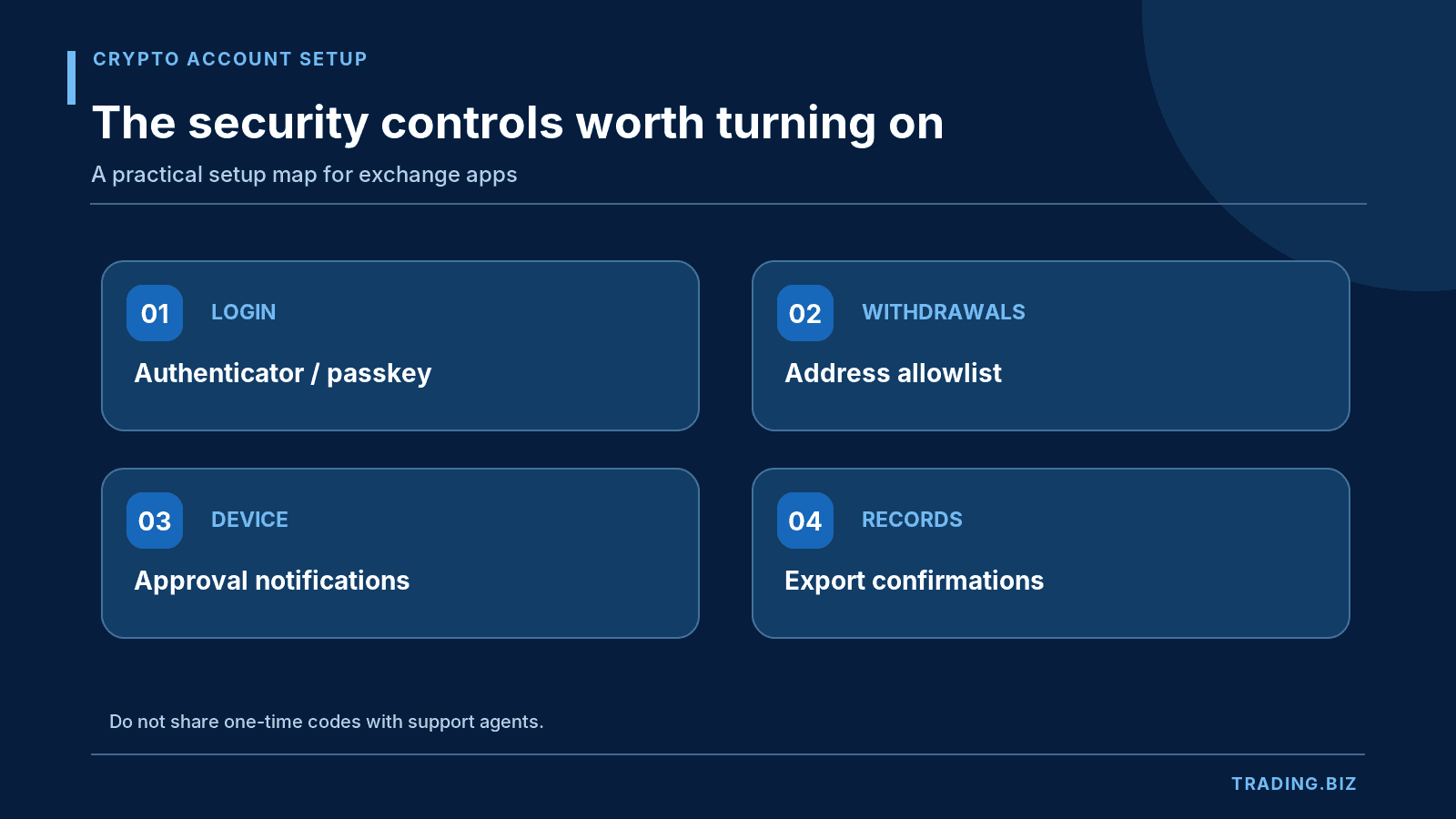
Figure 2. Controls to set before funding a crypto app.
An anti-phishing code can make genuine exchange emails easier to recognize, but it does not make every message trustworthy. Open the app independently instead of following urgent links about 'account verification.' Scammers copy login screens almost perfectly. Check the publisher before installing an app and never share recovery phrases or one-time codes with support agents.
Keep only trading capital on an exchange. For long-term holdings, learn how self-custody works before making the move. Self-custody removes exchange custody risk but puts recovery-key security on you. Test a small withdrawal on the correct network before sending a large amount.
Crypto trading app rules and taxes worth checking
Local regulation affects the products you can use. In India, income from virtual digital asset transfers is generally taxed at a special 30% rate plus applicable surcharge and cess, while Section 194S applies 1% TDS to qualifying transfers, subject to statutory thresholds. TDS is withheld from the transaction consideration; it is not an additional 1% capital-gains tax. Keep transaction records, including acquisition cost and fees, and confirm the current filing position with a tax professional.
Crypto exchanges have also faced restrictions on marketing, banking and derivatives in multiple jurisdictions. A company's registration elsewhere does not establish permission to serve you. Check the entity named in your account agreement and the regulator or reporting authority relevant to that entity.
FAQ
What is the best crypto trading app for a beginner?
Choose an app that serves your country, shows the full price before purchase and lets you test a small withdrawal. Coinbase, Kraken and local Indian options such as CoinDCX or CoinSwitch may be worth comparing, depending on residence. Learn spot orders before trying leverage.
Are crypto trading apps safe?
No app is free of risk. Security settings reduce account takeovers, but exchange insolvency, phishing, market losses and payment disputes remain possible. Use strong authentication, test withdrawals and avoid keeping your entire long-term portfolio with one company.
Is P2P cheaper than an exchange?
Sometimes, but compare the actual exchange rate. A P2P seller may charge a premium that outweighs any advertised fee saving. Escrow helps, yet it cannot protect someone who confirms payment without checking the bank balance.
Can I withdraw cryptocurrency to my own wallet?
That depends on the app, coin and jurisdiction. Check external withdrawal support and available networks before depositing. A successful transfer usually cannot be reversed, so confirm the address and network with a small test transaction.
Do I need KYC to use a crypto trading application?
Most regulated platforms request identity verification, particularly for local-currency deposits and withdrawals. Requirements differ by region and product. Using someone else's identification or bank account can lead to a frozen balance and serious compliance issues.
Source references
Find Your Perfect Broker: Explore Our List Now!
Choose the best with our expert-selected options
Find Your Perfect Broker: Explore Our List Now!
Choose the best with our expert-selected options
Discover top binary options brokers tailored to your region. Browse our curated lists by country: