Updated:October 09, 2026

11 min

15853
The Role of AI in Shaping Modern Trading Strategies
This article will comprehensively look at specific AI trading tools, technologies, and strategies. It will also reveal how traders use them with real-world use cases, as well as their limitations.

Gloria Chimelu
Author

Artificial intelligence, without a doubt, has changed how we do things. It can help in different areas of trading like risk management, research, market sentiment analysis, prediction, and signal generation. As a trader, I have used quite a number of AI tools to improve my execution speed, carry out a lot of back testing, and remove fear, especially when I have good setups.
4 Key AI Technologies in Modern Trading
It is easy to get confused about how to begin to apply AI in crypto trading. But are these tools even good for crypto trading? Yes. Crypto is the perfect environment because it has:
- A 24/7 market;
- Multiple data sources;
- High volatility;
- Relatively more retail traders.
All these factors make it easy to apply AI technologies to crypto trading. Here's a look at how some of these work and how they can be used in practice.
1. Machine Learning in Crypto Forecasting
Machine learning models are useful for detecting short-term patterns and trends. The process begins with preprocessing data. The model looks at critical price points like open, high, low & close (OHLC) and volume.
After this, it recognizes patterns and continues to learn from the data it is fed. These patterns will be used to forecast or predict future outcomes. Forecasting is one of the most important applications of ML as it points traders to a definite price direction and magnitude, helping them refine or discard their biases.
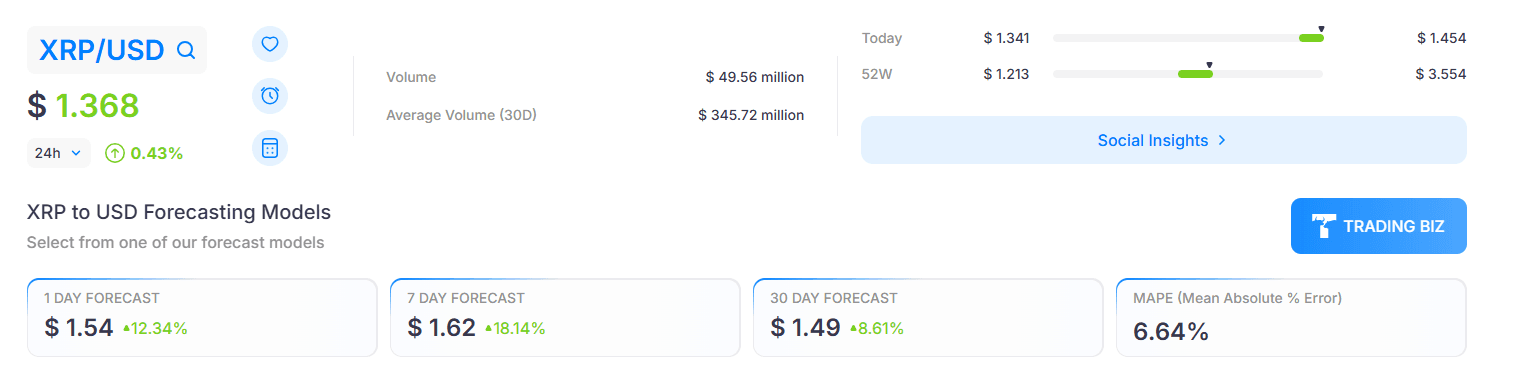
An excellent example of this is the Forecast Tool. Traders use it to map out 3 days, 7 days, and even 1 year on any asset, e.g., XRP. It forecasts based on historical data, and is much better than guessing or trying to predict price movements with crude tools.
2. Deep Learning for High-Frequency Crypto Trading
Deep learning is more complex than machine learning and uses a number of layers to make a more detailed analysis. Early layers usually deal with price detection and combination. Deeper layers spot complex combinations, pattern recognition, and map data on full market conditions. This produces a nuanced result that is transformed into more meaningful data for the trader.
Deep Learning models are useful for high-frequency trading (HFT) strategies because of the intricate computational processes they use. Traders use it for rapidly moving crypto markets where speed and flexibility are really important, as DL can improve predictive accuracy, showing non-linear patterns and distinguishing between simple liquidity patterns and market manipulation.
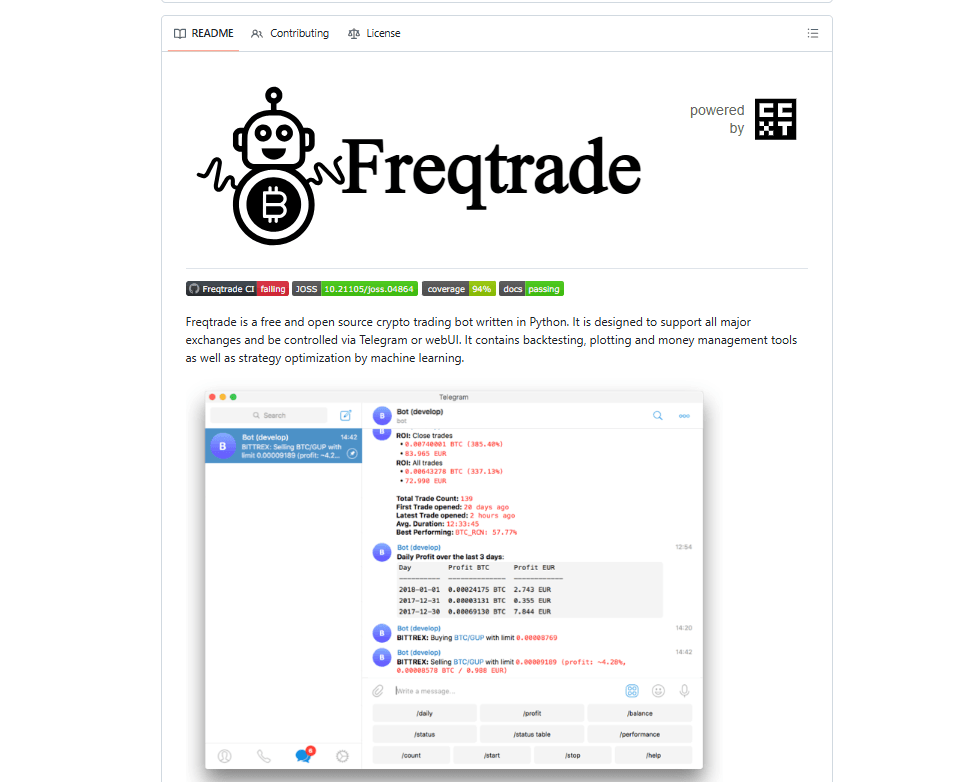
Example: I found Freqtrade, a free crypto trading bot. Traders can operate it via a Telegram account.
3. Neural Networks for Adaptive Risk Management
While it can be easy to think neural networks mimic the way we make decisions, they don't. So then, how do they work and make decisions? They take an input, let's say the price of ETH, and multiply it by learned weights. They transform the results of this multiplication and give the trader an output to use, all in seconds.
Neural networks learn by hundreds of examples, constantly adjusting and repeating to define accuracy. This helps traders manage their risks even better and adapt to volatility. However, while they can process numbers through predetermined mathematical functions, these networks do not understand data. This is where the human edge comes in.
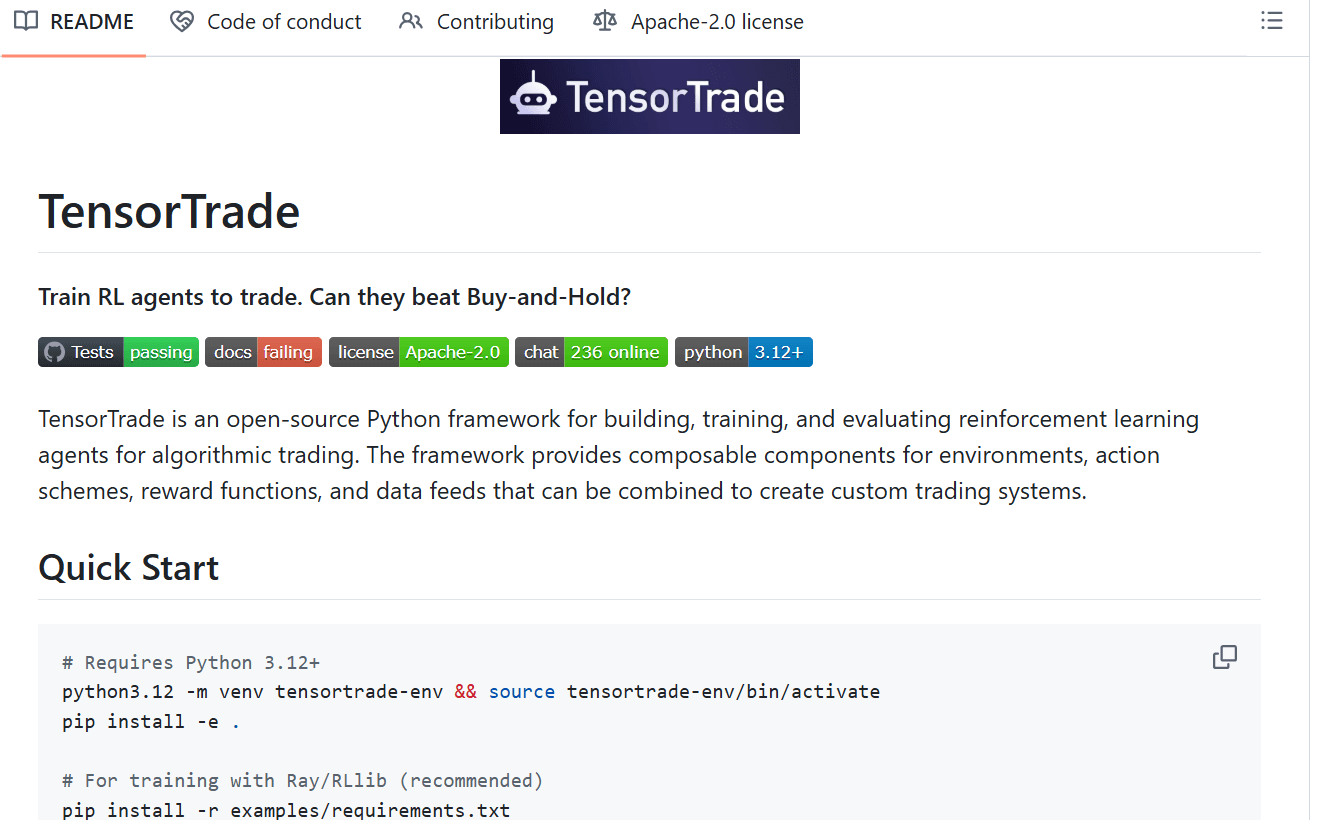
Example: Tensor Trade, an open-source framework. A trader supplies data, builds the framework, and then the bot learns over time how your trades work.
4. NLP for Sentiment Analysis in Crypto
Natural Language Processing (NLP) works in a quite different way from the technologies above. It takes information from news, social media platforms, forums, and anywhere humans can receive information and processes it into actionable data. But for this to happen, the data must be cleaned, and then the sentiments are extracted and scored.
After this, thousands of sentiments are aggregated to form bulk sentiments, e.g., Is Solana currently strongly bullish or bearish? When it decides what the prevailing sentiment is and considers current price action, it produces a trading signal for the trader. This is especially important for crypto traders who want to ride the existing sentiment, without much fundamental or technical analysis.
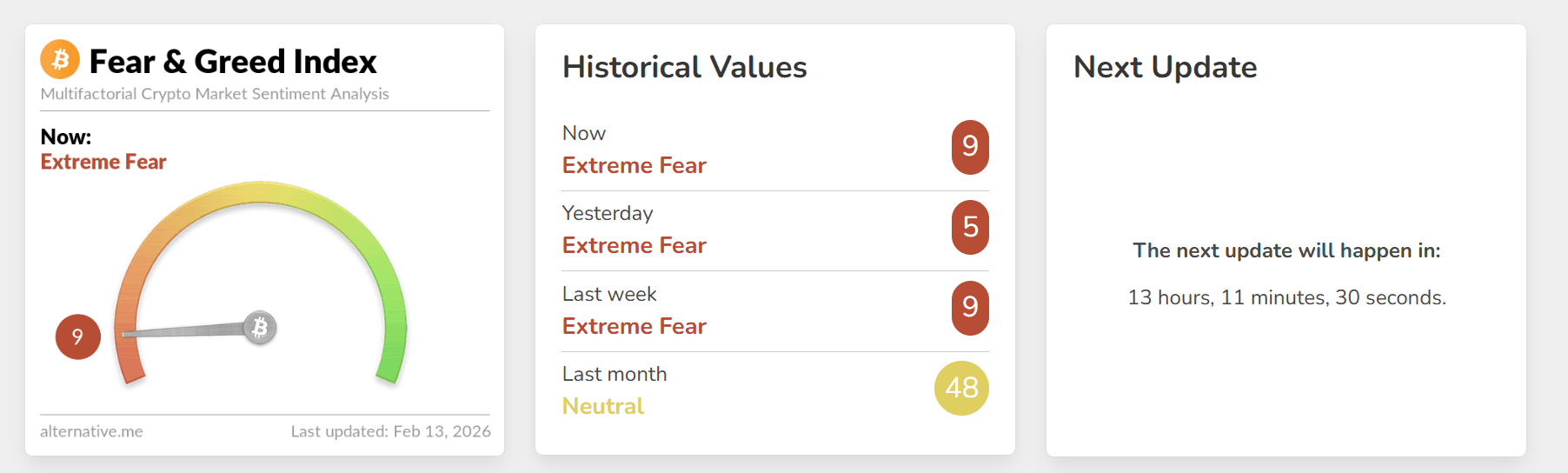
Example: I personally use the Fear & Greed calculator to immediately weigh the sentiment of the crypto market.
5 AI Strategies Traders Use in 2026
Traditional trading strategies depend on human accuracy and can be colored by human error. Today, traders are using AI to have more precise, faster, and scalable trades across different assets, including cryptocurrencies, all at the same time.
1. Algorithmic Scalping with AI
Scalping requires speed and an eye for micro opportunities. AI models look at hundreds of trades and identify opportunities, helping get better scalps. It works by collecting market data in real time, faster than any trader can, as data sources are updated every millisecond.
After gathering this data, it makes decisions instantly and executes at optimal prices, helping reduce slippage. Traders like me who scalp or like high-frequency, low-margin trades would enjoy AI algorithmic scalping.
2. Momentum-Based AI Trading
Momentum trading seeks to ride out trades, instead of predicting a reversal. Traditionally, you can use indicators to follow winners and sell losers, but sometimes the market changes, and AI can help in picking accelerating trends in price much more easily.
These systems use pattern recognition and signal detection to remove noise, collect data, and note patterns. Since they are trained on historical examples, AI models in this category look at input and outcome, lock in probability, and generate signals based on whether a trend is growing stronger or weaker. Also, they integrate sentiment analysis as a confirmation of continuing market momentum.
3. Mean Reversion Models
Mean-reversion models operate on the assumption that if a price moves far from its value, it will come back with time. Market overshoots because of things like panic selling and buying, FOMO, or black swan events. Instead of using fixed thresholds, AI models track the probability of reversion within a particular period.
For example, if price is stretched, volume exhausted, and volatility peaked, then a reversion is likely to occur. AI models assess this by using multi-feature confirmation to reduce false signals.
4. Arbitrage via AI Bots
AI bots check for real-time data and arbitrage opportunities using APIs. They monitor trades on order books on different exchanges to take advantage of price differences. Then, they look at the best spread, constantly computing things like depth, liquidity, and funding rates. Why?
The price difference or opportunity for arbitrage between two exchanges might look profitable, but a wide spread can make profit disappear as opportunities don't last long. If the system is slow, a trader may end up buying high and selling low instead of benefiting from the difference.
For example, if BTC is $68,700 on Binance but is $68,350 on KuCoin, that's a potential arbitrage opportunity. If fees are about $25, you can make about $325 by buying BTC low on KuCoin and selling high on Binance.
5. AI-Driven Sentiment Strategy
Markets primarily move via information. But this information is found in the news, tweets, and other forms of media. AI tools scan many of these sources to draw out user sentiment and map information to specific assets. They go ahead to assign probability after evaluating the emotional intensity associated with the cleaned data.
For example, if the US President Donald Trump says something bad about Bitcoin, an AI will take this as ‘weightier’ than the words of a US citizen. This will read as a negative sentiment, and the model collects thousands of these sentiments to determine that the market is bearish. If a lot of ‘sentiments’ talk badly about BTC, then it concludes the market is bearish. An AI model can give a hint on whether sentiment is already priced in and execute it as fast as possible before the sentiment dies down.
4 Real-World Examples of AI in Action
AI tools are accessible to traders at any level or style. They are not abstract, far-fetched concepts. Rather, they are practical tools that range from simple to complex, and are already being used by a good number of traders globally. Anyone can use these tools to improve their trading on Trading.biz.
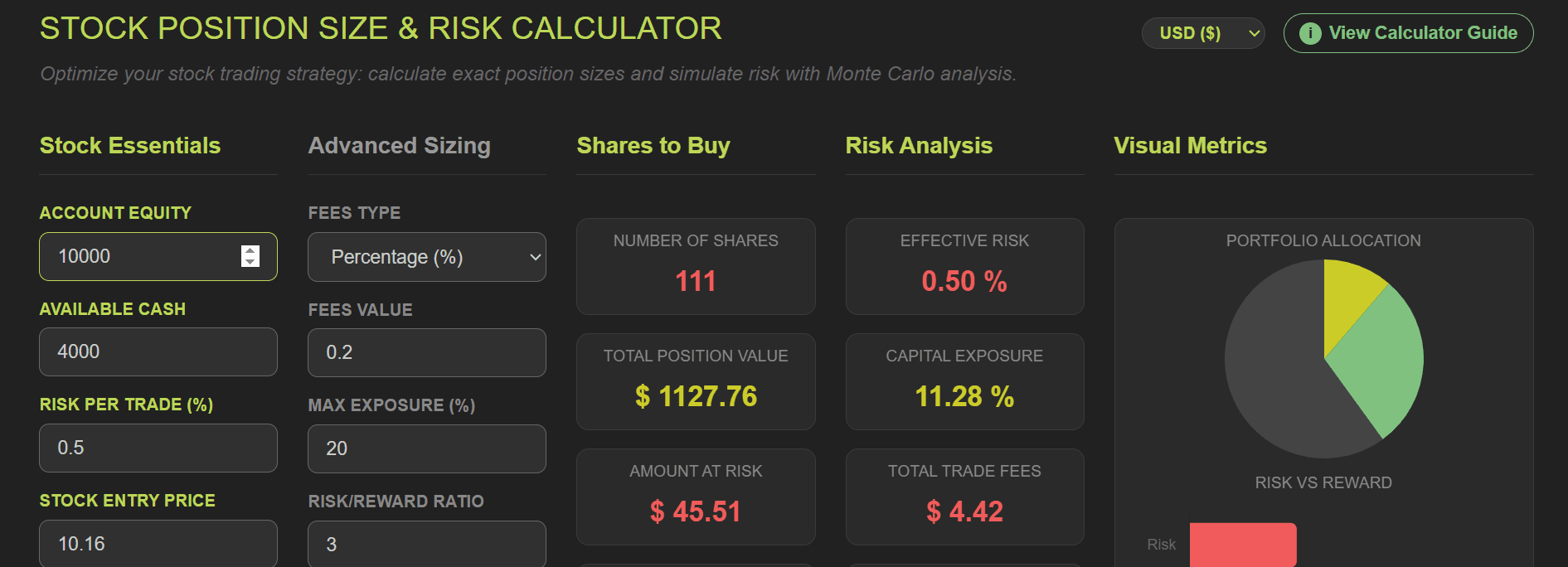
1. Stock Risk Calculator
A good stock risk calculator uses statistical data like volatility and historical ranges to give an estimated risk exposure and position size. I use it to see losses before entering trades and avoid unnecessary exposure.
It begins by collecting inputs like account size, risk percentage, entry price, and stop loss. Then, it calculates the recommended position size based on your risk tolerance. After that, it uses all the data gathered and gives me a risk score, while adapting to the market. It estimates how dangerous a setup is under statistically modeled scenarios, and helps me be more strategic about executing trades.
2. Exchange Rate Tool
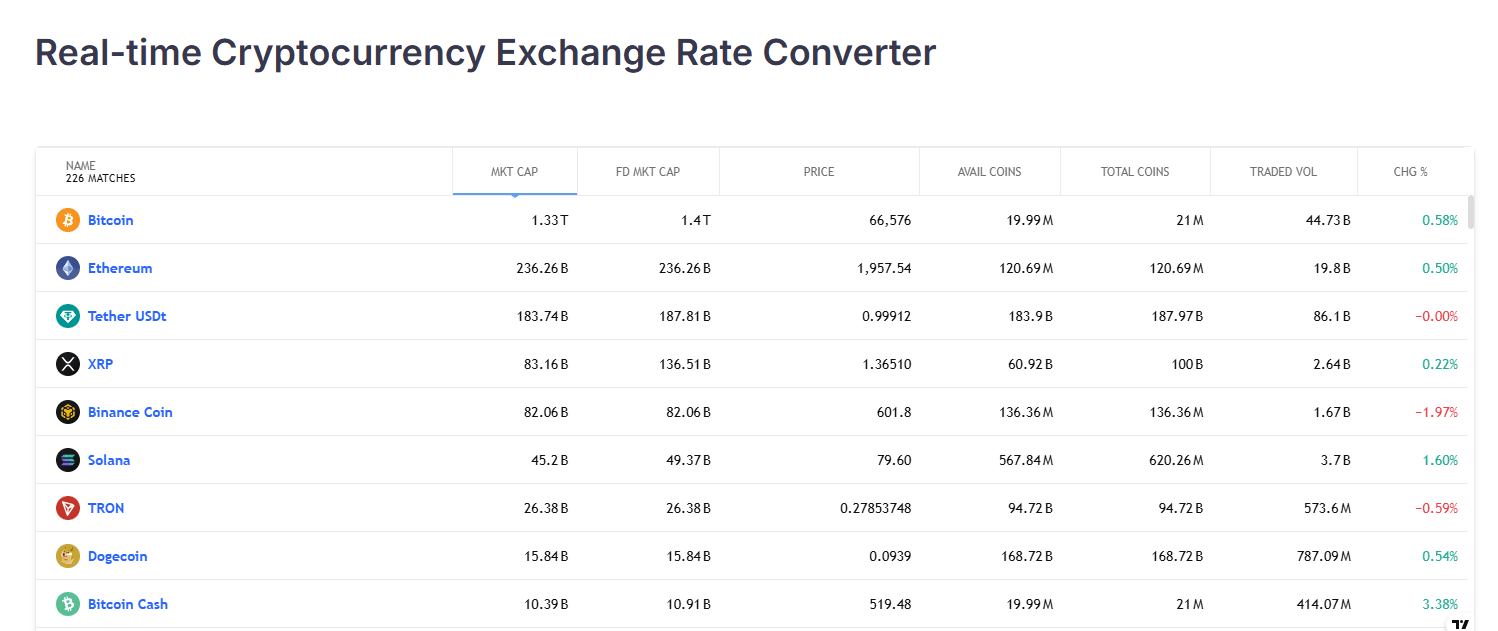
An AI-powered exchange rate tool cleans data in real-time, removing ‘bad’ data like price spikes, and displays accurate live rates. It pulls live rate, 24-h price, volume, market cap, etc., from reputable exchanges in real time.
This tool simplifies cross-currency conversions, making international crypto transactions easier and reducing redundant risk and errors for traders and investors. Those involved in arbitrage trading and investors dealing with foreign currencies will find a tool like the Cryptocurrency Exchange Rate particularly useful, especially because they need precise rates.
3. Crypto Signals
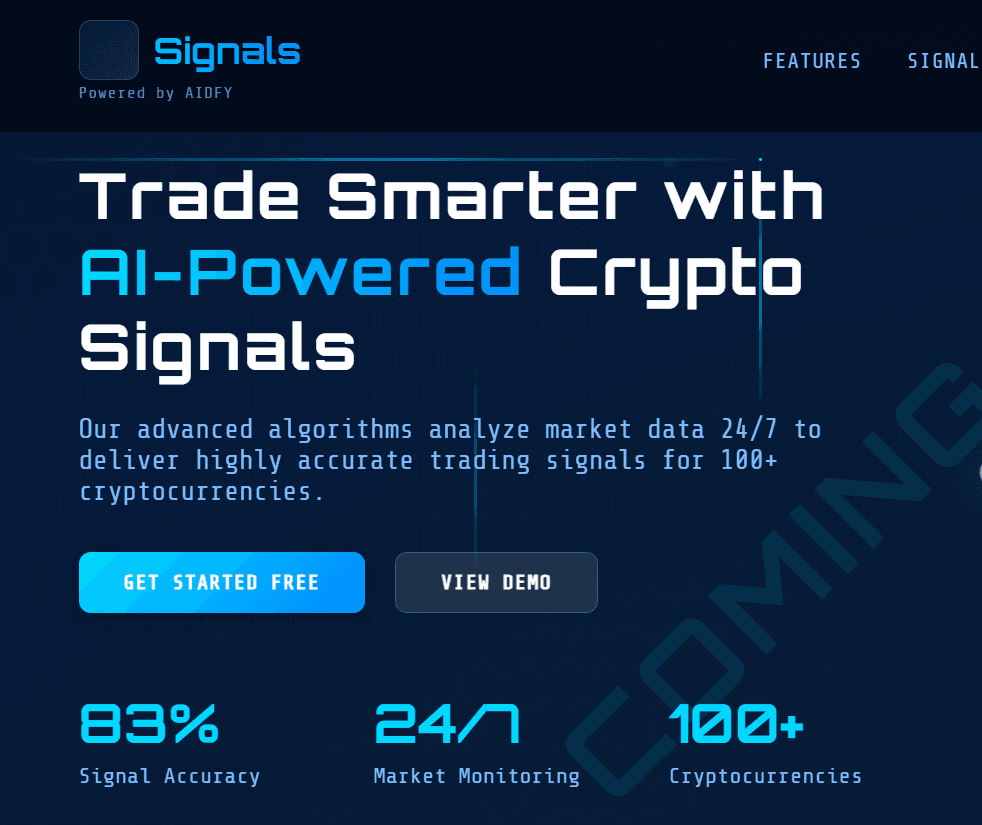
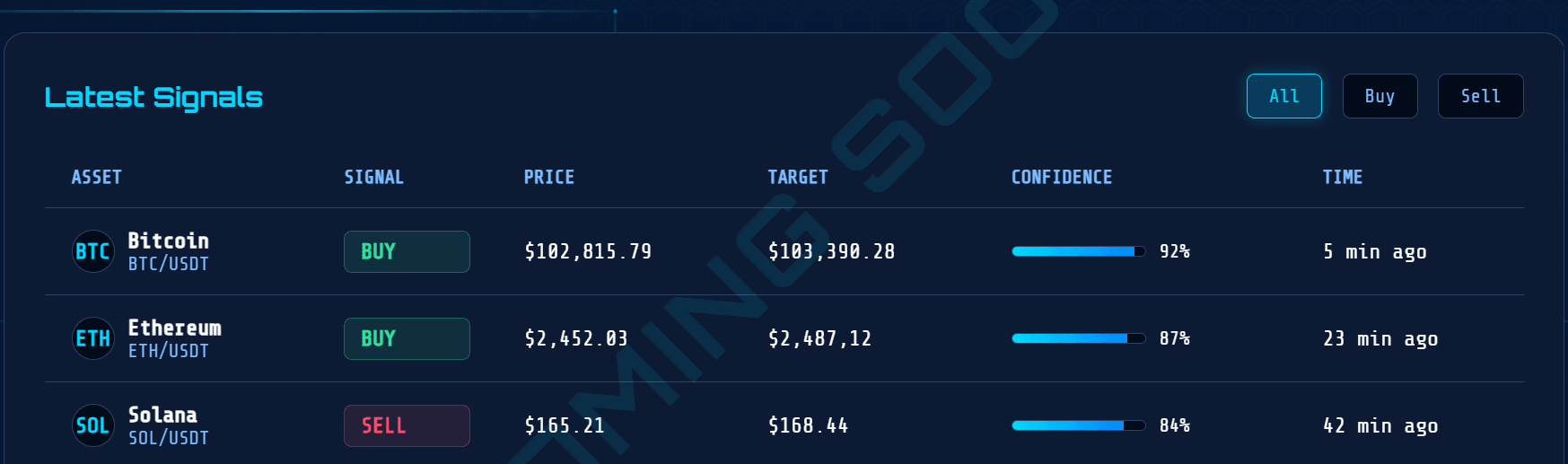
AI-powered crypto signals use models that monitor hundreds of pairs simultaneously and alert traders on what crypto to buy & sell, as well as when to enter and exit a trade. These signal services use ML models and sentiment analysis to look for past patterns that have worked consistently, collect & aggregate data, then use the data to produce signals. This is how Crypto Signals work to generate realistic, high-probability setups.
4. Position Size Calculator
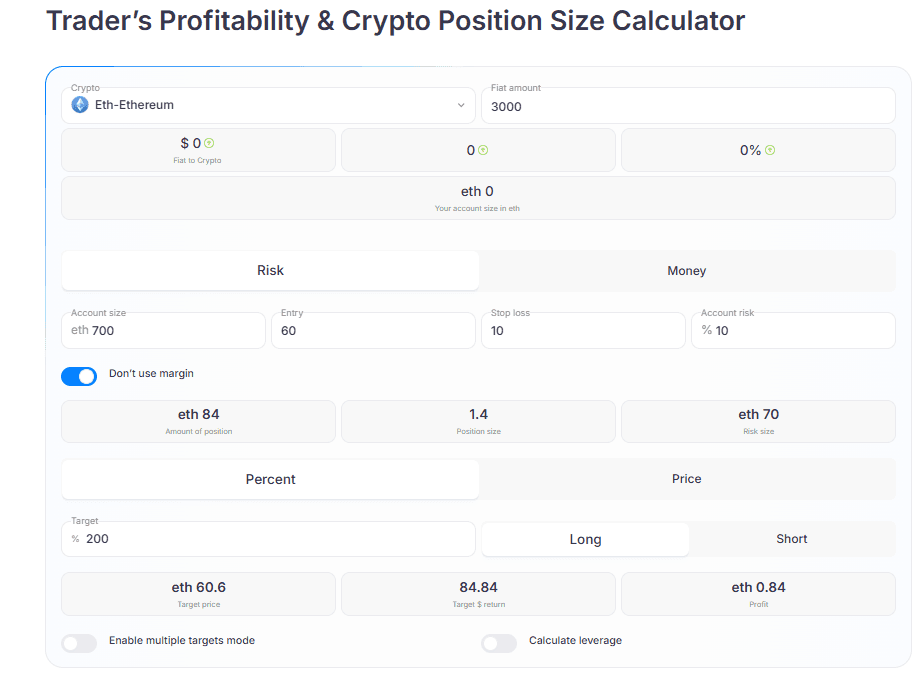
Position size calculators aid traders in not under-utilizing or over-leveraging their capital by providing an ideal amount to put into each trade. Advanced AI position size calculators begin by collecting data about a trader, such as risk tolerance, current account balance, risk profile, and trading history.
Then, it collects data about the asset in question, evaluating things like entry price, stop loss (reflecting volatility), and leverage. It then calculates the optimal position size, dynamically adjusting as needed to protect capital. A tool like Position Size Calculator can help traders assess risk for free on a variety of cryptocurrencies.
The Limits of AI in Trading
AI is a wonderful tool, but like any other technology, it has its own limitations. While it can help traders become smarter, it does not understand information the way we do. Artificial intelligence also cannot form thinking paths for new situations or unexpected events.
Dependence on Data Quality
AI systems are neither good nor bad. What makes them excellent or not is their training data. Even if a system has a perfect algorithm, incorrect data will lead to incorrect results.
Training data has to be accurate, consistent, timely, and clean to produce reliable results. If it is outdated or incomplete, it can affect output that, when acted upon, can lead to poor trading decisions. To get the best out of any AI system, use quality data from live feeds and reputable sources.
Lack of Human Intuition in Volatile Events
AI learns from historical patterns. But if it has to deal with something that has never happened before, or a black swan event, it has no context because there's zero training data.
For example, during unpredictable events like COVID-19 and the Russia-Ukraine war, many AI systems will simply struggle to get data.
AI does not have intuition and sticks solely to training data, so it cannot interpret the context of emotions. This is why traders must not fully depend on any tool but trust their instincts and supervise trading tools, especially in highly volatile markets.
Overfitting and False Confidence
AI models just stick with what they were taught and cannot think outside the training data or calibrate their ignorance. They will assume they are right in every circumstance, because they cannot adjust to future or unpredictable conditions. I have had models confidently put out wrong signals or “perfect” backtests, even when they are clearly wrong. Always try to verify AI output, especially when it looks too good to be true.
Try Everything AI Can Do for Your Trades Today!
As a trader, I happily embrace artificial intelligence. These tools can help traders remove emotional bias and see setups more easily and quickly. Try out the AI tools covered in this article, especially the free ones from Trading.Biz, which you can begin to use right away.
Even beginner traders can shorten their learning curve by using these tools to backtest results and paper trade before using real money.
While AI does not replace human judgment, when used correctly, it can lead to better systems and decent profits. Remember to stay realistic while using AI tools. I always use them as part of my trading plan and strategy.
Find Your Perfect Broker: Explore Our List Now!
Choose the best with our expert-selected options
Find Your Perfect Broker: Explore Our List Now!
Choose the best with our expert-selected options
Discover top binary options brokers tailored to your region. Browse our curated lists by country: