Updated:November 13, 2026

8 min

0
Controlling tilt and FOMO: a guide to trading psychology
Trading psychology shows up in ordinary decisions: moving a stop because a loss feels unacceptable, entering after the move is nearly over, or increasing size to recover yesterday's result. Most traders can explain risk management when the market is closed. Following it during a losing streak is harder. A practical approach to psychology of trading uses written rules and a journal that exposes behavior, rather than motivational slogans about mastering emotions.

Artem Kirillov
Author

Updated November 13, 2026
Why trading psychology matters as much as strategy
A strategy can have positive historical expectancy and still produce poor results when the trader ignores it. Taking entries early, skipping planned stops and closing winners before they have room to develop can change the distribution of outcomes. Each deviation may look small in isolation. Over hundreds of trades, the effects accumulate.
Psychology is not a substitute for a tested method. A trader with no measurable edge cannot become profitable by being calm. The work has two parts: developing rules worth following and reducing the moments when impulse overrides those rules. That is a more useful objective than trying never to feel fear or frustration.
Tilt: recognizing and stopping revenge trading
Tilt is a state in which a bad result changes how you make the next decision. It may begin after one unexpected stop, a rejected order or a trade you missed. You speed up, stop reviewing setups and reach for a bigger position. Revenge trading is the familiar version: the next trade is meant to get the money back rather than exploit a new setup.
The first signs of tilt
Notice changes in behavior rather than waiting for an emotional label. Are you switching timeframes repeatedly to find permission to enter? Has position size increased without a rule-based reason? Are you clicking before the candle closes? Those are concrete warning signs. A timer, enforced break or daily lockout may be more effective than telling yourself to calm down.
A trader can plan a hard stop after two consecutive off-plan trades. That condition is different from stopping after every loss. Following a strategy can produce losses; violating it is a process problem. The distinction helps prevent a trader from treating normal variance as evidence that the system has broken.
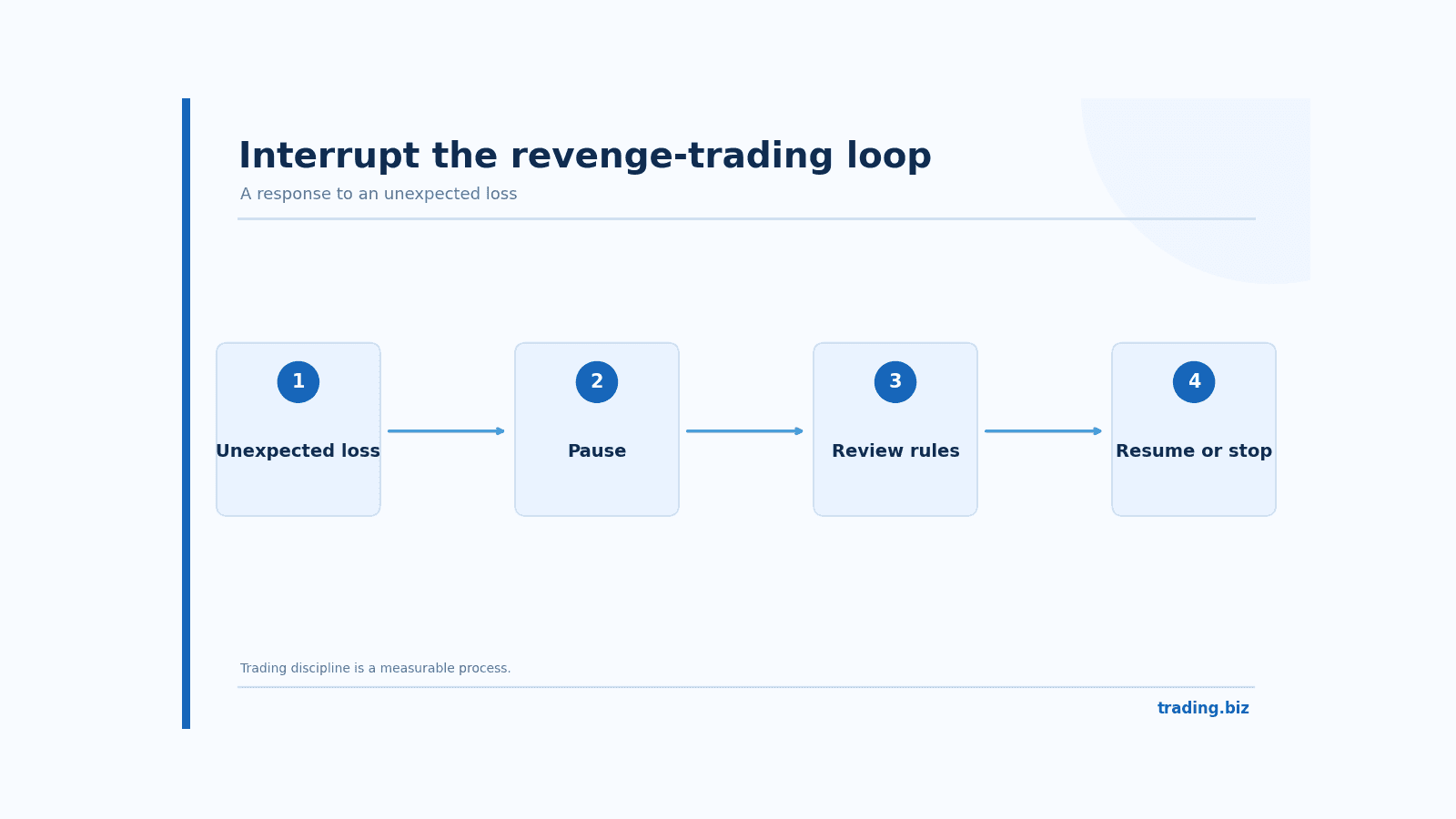
Figure 1. A practical interruption to the revenge-trading cycle.
FOMO: chasing moves and how to stop
Fear of missing out often appears after a market makes a large move without you. The next candle seems like a final chance. By the time you enter, the original risk/reward calculation may have vanished. The problem is not that price moved without you. The problem is turning somebody else's entry into your own at a much worse price.
A rule for missed trades
Write down a maximum distance from the planned entry. If the market has moved beyond it, mark the setup as missed and do not chase. Save the chart for review. A missed trade costs no capital, while chasing can turn one missed opportunity into a loss followed by revenge trading. Being comfortable with some missed trades is part of following any selective strategy.
Building trading discipline with rules and checklists
A checklist should be short enough to use in a busy session. Confirm the instrument and time, entry trigger, stop location, position size, major scheduled events and whether the trade fits the day's risk budget. If one item fails, do not place the order. Adding twenty boxes often creates a form that traders abandon after a week.
Make discipline mechanical where possible
Use an order ticket that calculates position size from the stop. Set alerts instead of staring at every candle. Place a daily maximum loss limit in your notes, and use platform restrictions if the broker supports them. The goal is to reduce the number of decisions that depend on willpower at the worst possible moment.
Rules should be tested, not worshipped. If the market repeatedly exposes a flaw in the plan, review it outside trading hours and make a recorded change. Do not rewrite the rules while a losing position is open merely to avoid taking the loss.
Keeping a trading journal that actually changes behavior
A useful trading journal records both market information and behavior. Include the setup, entry and exit, planned risk, realized result after fees, a screenshot before the trade and the reason for any deviation. A note like "felt nervous" is fine, but it becomes more useful when tied to action: "closed at 0.6R despite a 2R target because price stalled for three candles."
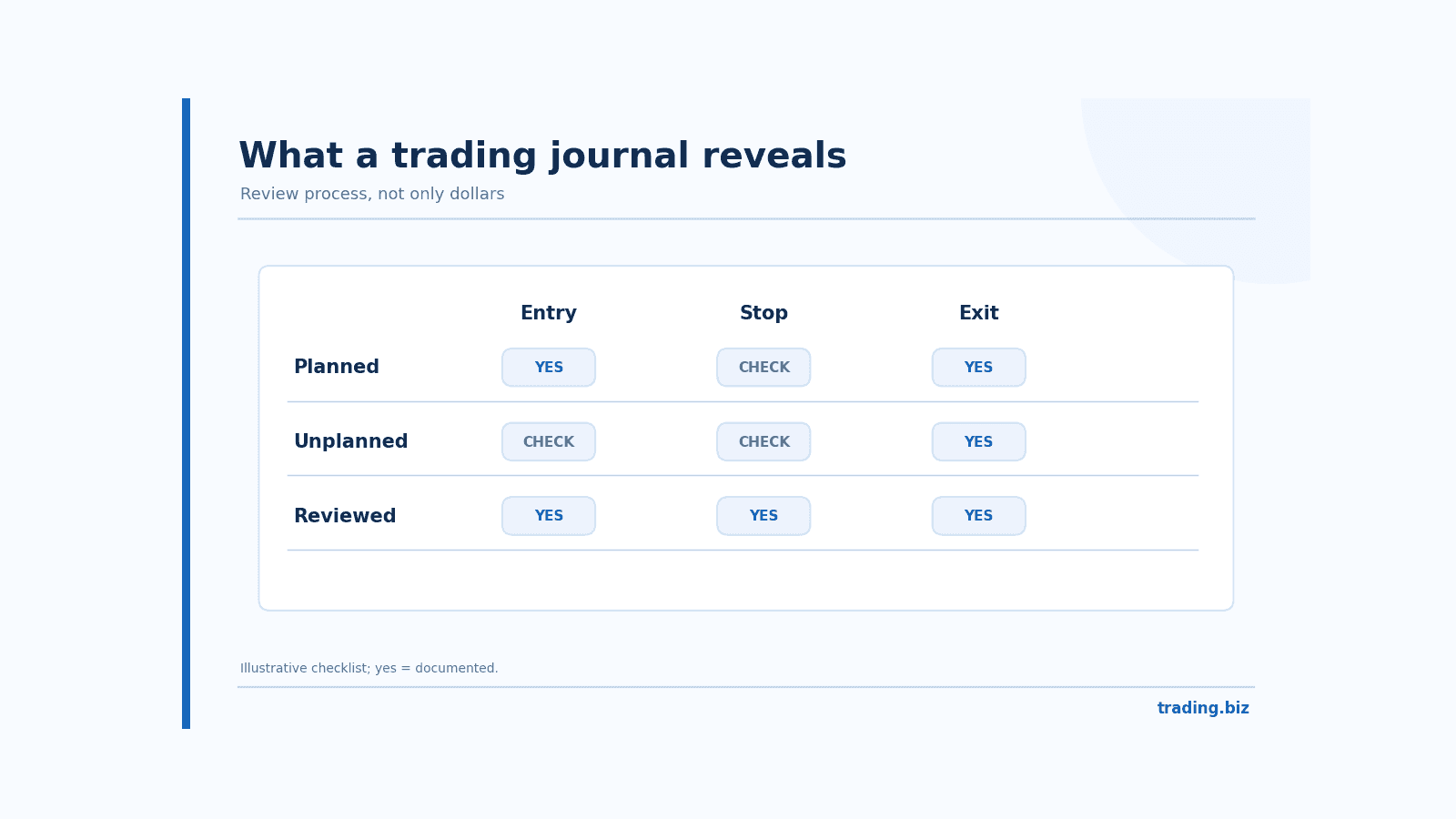
Figure 2. A journal review separates planned actions from off-plan decisions.
Review the journal weekly rather than only after a bad day. Count rule-following trades, missed valid setups, unplanned entries and changes in position size. Then choose one behavior to improve next week. A journal that only lists profit and loss can become a scoreboard; it tells you what happened but little about how to improve.
A simple review question
For each losing trade, ask whether it was a good trade that lost or a bad decision that happened to lose. For winners, ask the same question. This prevents one lucky off-plan winner from becoming a new habit. Profitability and process quality are related over time, but they are not identical on any single trade.
Handling losing streaks and drawdowns
Even a strategy with an edge can have losing streaks. With a hypothetical 50% win probability, five losses in a row has probability 1/32 for one particular five-trade sequence. Over a long series, such runs become much less surprising. That is one reason risk per trade must be small enough to survive normal variance without forcing the trader into a panic.
What to do after a rough week
Reduce size or pause if the drawdown reaches a predetermined threshold. Audit whether the strategy's setup conditions still exist and whether execution quality has changed. Check the total number of trades before declaring that a system stopped working. A few losses may be variance; a large shift in behavior or a market regime change deserves deeper review.
Avoid making performance targets into emotional obligations. A trader who "must make $300 today" may take a poor trade at 3:55 p.m. because the day has not met the goal. A process target such as taking only qualified setups is under the trader's control. The market owes no fixed income.
Loss aversion and why stops feel negotiable
People often experience the pain of losing more intensely than the pleasure of an equivalent gain. In trading that can show up as holding a loser longer than planned while closing a winner at the first sign of a pullback. The journal can measure this pattern. Compare average planned loss with average realized loss, and compare planned targets with realized exits. If losses repeatedly exceed the plan, the problem is behavioral even if the trade ideas sometimes work.
A stop should be placed where the original thesis is invalidated, with size small enough to accept the outcome. If you repeatedly override it, reduce risk until following the rule feels manageable. The aim is a repeatable decision process, not a heroic display of self-control.
Build a weekly feedback loop
At the end of each week, list the three most common process errors and select one to address next week. For example, if late entries dominate, set an alert at the original level and a maximum distance beyond which the trade is skipped. Track how many late entries occurred before and after that change. A measurable improvement is more useful than a vague intention to be more disciplined.
Also record what worked. Following the plan during a losing day is worth noting because it protects the quality of the system's evidence. The market's immediate reward is noisy; the process is the part of the job you can deliberately improve.
What to do when the trading plan itself is failing
Discipline becomes dangerous if the trader uses it as an excuse to keep following a method that no longer has evidence behind it. Set performance review thresholds in advance. A stretch of unusual drawdown, a change in average trading cost or a sharp decline in setup frequency may justify pausing and examining the data. The pause should happen outside the emotional moment of a single losing trade.
Review whether the rules were followed and whether the market conditions still resemble the tested sample. If execution was poor, fix the behavior. If execution was sound but the strategy's edge is uncertain, return to paper trading and collect more evidence. Psychology and strategy research need to work together.
FAQ about trading psychology
How can I stop revenge trading?
Set a predefined daily loss limit and a break rule after off-plan behavior. Review what triggered the impulse before resuming. Position size may need to be reduced.
Is FOMO a sign that I lack discipline?
It is a common reaction to missing a move. The useful response is a clear entry-distance rule and a habit of recording missed setups without chasing them.
What belongs in a trading journal?
Keep the setup, timestamp, entry, stop, planned risk, final result after costs, screenshots and any deviation from the plan. Review behavior patterns weekly.
Can a profitable strategy have long losing streaks?
Yes. Random variation produces runs of losses even with positive expectancy. Risk limits should reflect that possibility rather than assume every week will be profitable.
How do I know if trading psychology is improving?
Measure fewer off-plan entries, more consistent sizing, better compliance with daily limits and clearer journal records. Emotional comfort alone is a weak measure.
Official reference: FINRA investor resources
Find Your Perfect Broker: Explore Our List Now!
Choose the best with our expert-selected options

Find Your Perfect Broker: Explore Our List Now!
Choose the best with our expert-selected options
Discover top binary options brokers tailored to your region. Browse our curated lists by country: