Updated:November 13, 2026

8 min

1
How copy trading works: platforms, fees and risks
Copy trading lets one investor's account follow trades placed by another trader, usually through a broker or social-investing platform. You choose a strategy provider, allocate funds and allow the software to mirror eligible positions under the platform's rules. The appeal is convenience, but the follower still bears market risk. A leader's impressive historical return does not tell you what the next drawdown will look like, especially if the leader changes leverage after attracting subscribers.

Oke Taofeek Deji
Author

Updated November 13, 2026
What is copy trading and how trades are mirrored?
Copy-trading software links a follower account to a leader or strategy account. The follower chooses an allocation and sometimes a risk multiplier. When the leader opens, changes or closes a position, the platform attempts to perform a corresponding action. Execution can differ because of available cash, minimum trade size, instrument access and market price at the time the copy order arrives.
Proportional allocation explained
Suppose a leader has $20,000 and commits 5% of the account to a position. A follower allocates $2,000 to copying, also uses proportional sizing, and may receive roughly a $100 position. The actual instrument exposure depends on the platform's sizing method and leverage. A follower who joins after a trade is already open may enter at a worse price or may not copy that position at all.
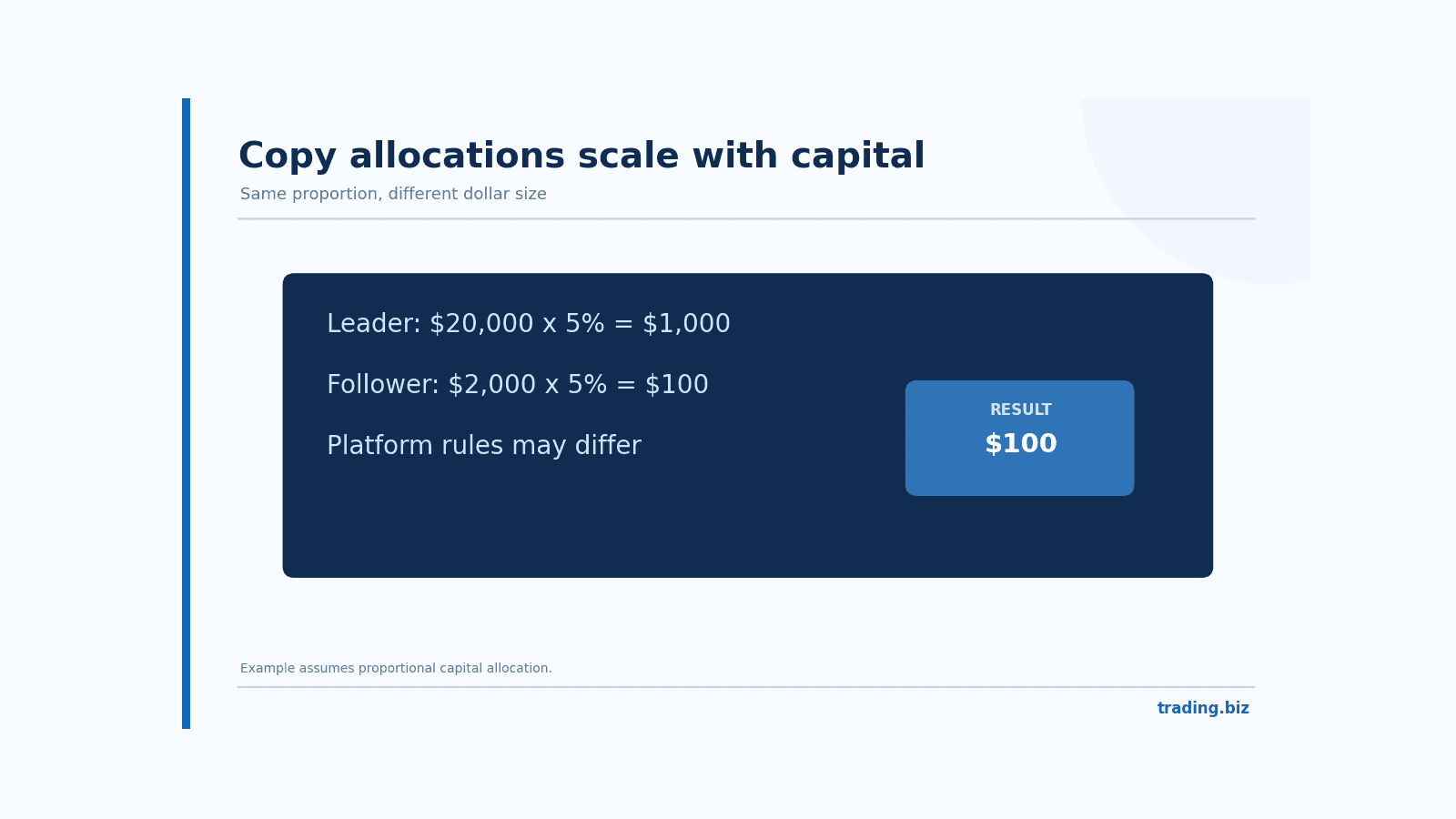
Figure 1. Proportional copy sizing creates different dollar exposure.
Copying does not transfer ownership of the leader's assets to the follower. The follower usually holds positions in a separate account with its own margin, funding, restrictions and liquidation risk. That difference becomes crucial when the two accounts have different leverage settings or when the follower's balance is too small for the minimum position size.
Copy trading platforms: eToro and broker services
Platforms such as eToro provide a social-investing interface where users can review public profiles and allocate funds to eligible traders. Other forex brokers offer strategy-copying services with master and follower accounts. Product availability varies by country; a trader or instrument visible in one region may be unavailable elsewhere. Check whether the service copies stocks, CFDs, crypto or another product before opening an account.
The interface should clearly display allocation size, active positions, past performance and the action needed to stop copying. Pay attention to whether stopping the copy also closes positions automatically. Some systems let you keep the positions after disconnecting; others may liquidate them under the program's workflow. Read the exact instructions before a volatile session, not when you are trying to exit quickly.
Copy trading fees, spreads and performance charges
Costs can include ordinary bid-ask spreads, trading commissions, overnight financing, platform subscriptions and performance fees charged by strategy providers. An advertised "free copy trading" feature may still leave the follower paying normal instrument costs. Fee structures are not interchangeable between brokers, so a return published on one platform should not be applied directly to another.
How a performance fee changes the result
Imagine a copied strategy earns $200 before fees on a $2,000 allocation. If the service charges a 20% performance fee on eligible profit, the fee is $40 and the remaining profit is $160 before other charges. Some providers use a high-water-mark approach so fees apply only above a previous peak. Others may calculate performance differently. Check how losses are carried forward and which valuation date applies.
Choosing a trader to copy: metrics that matter
Look beyond the total return. Review maximum drawdown, leverage, largest losing trade, average holding period and whether the trader changed style during the published history. A steady 12% return with controlled drawdowns can be more understandable than a spectacular return produced by repeated doubling down. The latter may work for months before one move wipes out much of the account.
Five questions before allocating money
How long is the verified track record? Does it include losing months and different market conditions? What percentage of equity is typically at risk? Does the leader hold positions through news or weekends? How will the strategy behave if a follower starts copying during an existing drawdown? A profile that cannot answer basic exposure questions is hard to evaluate responsibly.
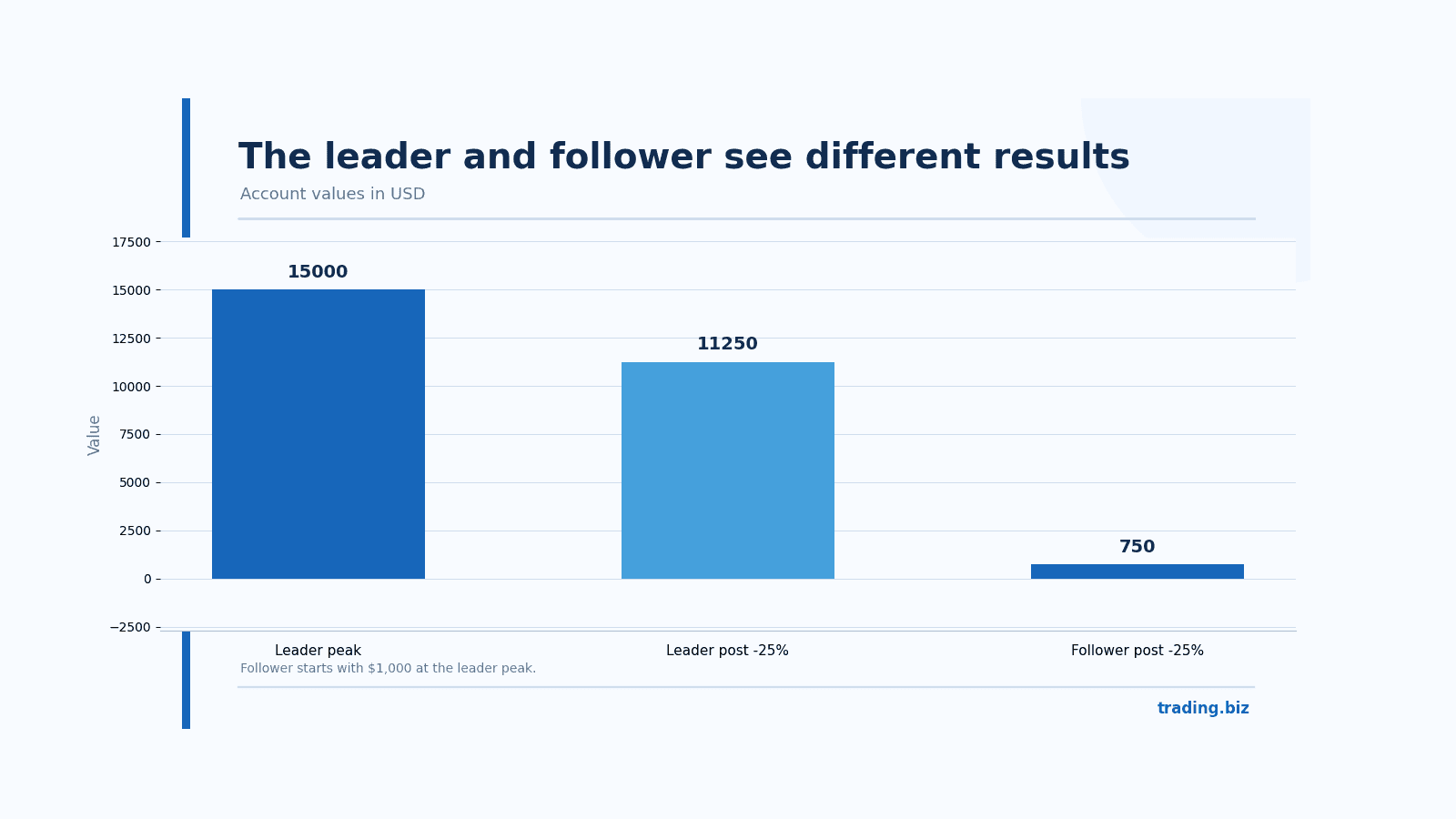
Figure 2. A late follower can lose while the leader remains above the starting balance.
Recent performance matters, but selecting only the top trader from last month's leaderboard invites performance chasing. Some strategies take more risk to climb rankings temporarily. Compare several periods and watch for a jump in position size after a losing streak.
Risks: drawdown, slippage and changes in leader behavior
The follower can lose money even if the leader's published account remains profitable. Different entry timing, spread, execution and leverage produce different results. A leader may also change strategy, take larger positions or stop trading. Your copy account has to survive those decisions without direct control over every entry.
A drawdown example shows why timing matters. Suppose a leader grows from $10,000 to $15,000 over a year, then falls 25% from the peak. The leader may still be ahead of the original balance. A follower who started copying at the $15,000 peak is down 25%. Both views are mathematically correct. The follower cannot spend the leader's earlier gains.
Set a maximum allocation and a defined loss threshold before starting. A platform's copy-stop feature may help enforce a limit, but execution can slip. Monitor performance periodically and reassess if the leader departs from the documented strategy. Do not borrow money to copy a popular account.
Copy trading versus social trading versus signals
Social trading often means sharing ideas, charts and trade records with a community. A signal service sends trade suggestions that the subscriber may execute manually. Copy trading automates at least part of the position-mirroring workflow. The three can overlap, but their responsibility and risk differ. A signal provider does not necessarily control your account; copy trading may place trades automatically once enabled.
There is also a difference between copying a regulated professional strategy and following an anonymous social account. Legal responsibilities, disclosures and product restrictions depend on the service. Check what protections exist in your country and which entity operates the platform. A high follower count is not a substitute for regulation or a verified track record.
A follower-level risk budget
Decide how much of your total portfolio may be allocated to copy trading before opening the provider list. If you allocate $1,000 to a leader and your personal maximum acceptable loss is $150, that 15% limit should determine whether the strategy is suitable and whether you need an automatic stop-copy instruction. Remember that a copy-stop is subject to market execution; it may not close at exactly the requested threshold.
Diversifying across several leaders helps only when their underlying risks differ. Three traders all long the same US technology stocks may look like separate allocations while behaving as one concentrated trade during a market selloff. Review overlapping instruments and leverage, not just the number of provider profiles followed.
Why copied past returns can be misleading
A leader may have grown an account substantially using risk levels that would be unacceptable to a new follower. Public rankings can also favor strategies that have survived recent market conditions. A trader who went bankrupt or stopped reporting may no longer appear beside the winners. This is a form of survivorship bias. Historical rankings tell you which strategies remained visible, not how all strategies performed.
The follower's entry date deserves special attention. Someone copying at a high-water mark may face the next drawdown without having received earlier gains. Compare maximum historical peak-to-trough decline with the loss you could tolerate personally, then assume a future drawdown could be larger.
Stopping a copy strategy without panic
Before enabling automatic copying, locate the button that pauses new copies and learn whether the service closes existing positions. The two actions may be separate. A follower who wants to exit after a loss must know whether open trades remain and whether withdrawal is possible while margin is committed. Test the workflow with a tiny allocation if the platform permits it.
When a provider changes style, compare the new behavior with the reason you subscribed. A trader who historically used unleveraged equities but begins aggressive overnight CFDs is offering a different risk profile, regardless of past returns. Stop copying or reduce allocation if the change no longer fits your plan. There is no obligation to remain loyal to a leaderboard account.
How to interpret a copy trader's risk score
Many platforms assign their own risk indicators to strategy providers. The methodology may combine volatility, leverage, concentration or historical loss metrics, but the numbers are not standardized across platforms. A score of three on one service cannot be directly compared with a score of three on another. Read the definition and inspect the actual positions whenever possible.
A strategy provider who holds losing trades open for months may report a high percentage of closed winners while a large floating loss sits elsewhere in the account. Check equity-based drawdown, not only closed-trade statistics. This is especially important for leveraged CFDs and forex strategies.
FAQ about copy trading
Can copy trading make money for beginners?
It can produce gains or losses, but there is no guarantee. Beginners often underestimate leverage, drawdowns and the impact of joining after a trader's strongest period.
Is copy trading automatic?
Many platforms mirror trades automatically after the follower sets an allocation. Some provide manual controls or limits. Exact behavior depends on the product.
What is a good maximum drawdown for a trader to copy?
There is no universal threshold. Evaluate the drawdown alongside strategy, leverage, recovery time and the loss you personally can withstand.
Why does my copy account show a different return?
Entry timing, allocation size, spreads, slippage and minimum trade sizes can change results. A follower who joins late misses the leader's earlier performance.
Is copy trading the same as buying an index fund?
No. A copied trader may change positions and use leverage. A diversified index fund follows a specified investment mandate and has a different risk structure.
Official reference: eToro CopyTrader overview
Find Your Perfect Broker: Explore Our List Now!
Choose the best with our expert-selected options
Find Your Perfect Broker: Explore Our List Now!
Choose the best with our expert-selected options
Discover top binary options brokers tailored to your region. Browse our curated lists by country: