Updated:November 18, 2026

12 min

3
Best brokers in India 2026: Zerodha, Groww and Angel One
The best brokers in India are usually the ones whose fees and tools fit your actual investing habits. A person buying an index fund every month needs a clean account statement and low recurring costs.

Joe Nakamoto
Author

Updated November 18, 2026
The best brokers in India are usually the ones whose fees and tools fit your actual investing habits. A person buying an index fund every month needs a clean account statement and low recurring costs. A futures trader may care more about execution, margin reporting and the ability to manage a position during a volatile session. Choosing by app download count alone tells you very little about either experience.
Zerodha, Groww and Angel One are useful starting points because they serve different styles of Indian retail investor. All three publish brokerage schedules, though transaction taxes, depository charges and account conditions are easy to miss. Prices below reflect official public schedules checked for this draft; read the current page before placing an order.
Types of brokers in India: discount, full-service and international
Discount brokers put most of the account experience online and generally charge standardised order fees. Full-service stockbroking firms may offer broader research, relationship support and financial products, sometimes at a higher price. The categories overlap: many digital brokers publish research, and traditional houses have capable apps.
An international broker is a separate case. It may provide access to global shares, futures or other instruments, subject to Indian residency rules and the specific entity. Indian residents cannot assume that leveraged offshore forex and CFDs are permitted simply because a foreign website opens in their browser. For currency derivatives, check RBI rules and the Indian exchange venue.
For everyday stock investing, the first checks are straightforward: SEBI registration, exchange membership, demat custody arrangements, the total contract-note cost and the process for moving holdings to another broker. A flashy order-entry screen doesn't answer those questions.
Best brokers in India compared by cost and use case
| Broker | Officially published equity delivery brokerage | Typical strengths to evaluate |
|---|---|---|
| Zerodha | Rs 0 brokerage for eligible retail delivery orders | Kite interface, long-term holdings and order controls |
| Groww | Lower of Rs 20 or 0.1% per order, minimum Rs 5 | Easy mobile workflow, mutual funds and stock investing |
| Angel One | Lower of Rs 20 or 0.1% per order, minimum Rs 5 after introductory conditions | Research and broader product ecosystem |
Brokerage is only part of the bill. Exchanges levy transaction charges, the government collects applicable taxes and the depository participant may charge when securities leave a demat account. Rates for options, intraday equity and other segments differ from delivery prices.
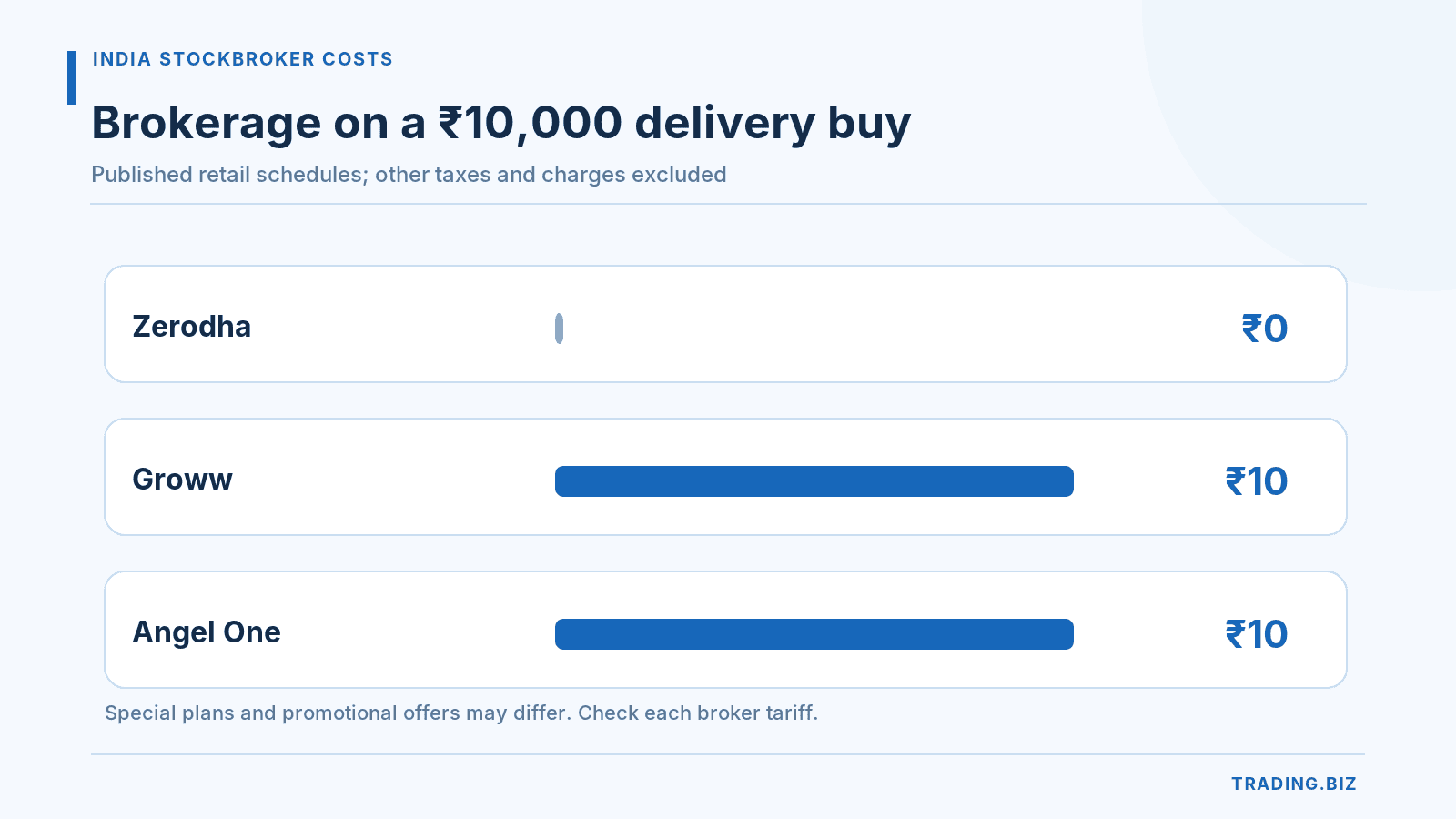
Figure 1. Published brokerage cost on an illustrative ₹10,000 delivery buy.
Zerodha: for price-conscious long-term investors
Zerodha publishes zero brokerage on eligible equity delivery and direct mutual fund investments. Intraday equity and futures brokerage is generally 0.03% or Rs 20 per executed order, whichever is lower, while options brokerage is a flat Rs 20 per executed order. These figures are attractive for investors who want a transparent separation between broker charges and statutory costs.
The Kite platform is widely used, but interface preference should be tested rather than assumed. Look at order status, contract notes, trade book exports and how easily you can place protective orders. Traders who use external screeners or APIs should check which integrations are free and which involve subscriptions.
Zerodha's annual maintenance charges depend on the demat account category and the value of holdings. Its current pricing page explains Basic Services Demat Account (BSDA) tiers and a first-year waiver for certain new accounts. You should check eligibility rather than assume every account has zero ongoing fees.
Groww: convenient mobile investing with brokerage on delivery
Groww has a simple app-led investing workflow. A novice who mainly wants to purchase stocks and mutual funds may find the interface easy to learn. Its official pricing page lists equity brokerage as the lower of Rs 20 or 0.1% of order value, with a Rs 5 minimum. The company also states zero charges for opening and maintaining eligible standard accounts.
The minimum order fee matters on small trades. For a Rs 1,000 delivery purchase, 0.1% would be Rs 1, but the Rs 5 minimum applies. On a Rs 50,000 purchase, the Rs 20 cap becomes relevant. After you sell, DP charges may also apply. Read the full schedule if you make many small transactions.
A pleasant interface cannot replace reliable support. Test where the app stores tax reports, how you request a holdings statement and whether you can easily see the cost basis. These details matter during a tax filing or account transfer.
Angel One: broader tools and research for active users
Angel One, previously known as Angel Broking, combines trading with market research and related financial services. Its public pricing schedule lists a promotional brokerage allowance for eligible new accounts followed by a standard structure: the lower of Rs 20 or 0.1% per executed equity delivery or intraday order, subject to a Rs 5 minimum. The rate for equity F&O trades can differ, and account-opening promotions have conditions.
Someone considering Angel One should examine the mobile and web experience with the products they intend to use. Useful questions include whether alerts are customisable, how option positions are displayed and whether tax reports are easy to export. If you invest mainly in mutual funds, assess that workflow separately from the stock trading terminal.
Don't mistake a broker's educational content for a guarantee about its automated recommendations. Research and portfolio tools may be helpful starting points, but investment decisions and losses remain the investor's responsibility.
Top brokerage company in India: what does 'largest' mean?
Lists ranking a top brokerage company in India sometimes use active NSE clients, total registered accounts, mobile downloads or company revenue. These measures can produce different leaders. A broker can have many dormant accounts, and an app installed on a phone is not evidence of funded trading activity.
Check the date and source of any leaderboard. The NSE publishes member and client information, while company disclosures provide another perspective. For personal use, reliability and overall cost should weigh more heavily than a ranking. A large broker may still charge fees that make your style of trading expensive.
How to compare actual brokerage charges and hidden costs
There is no single 'brokerage fee' covering every asset. An equity investor may pay securities transaction tax, exchange transaction charges, SEBI charges, stamp duty, GST on relevant services and DP charges on a sell transaction. F&O and currency derivatives follow different schedules and risk profiles.
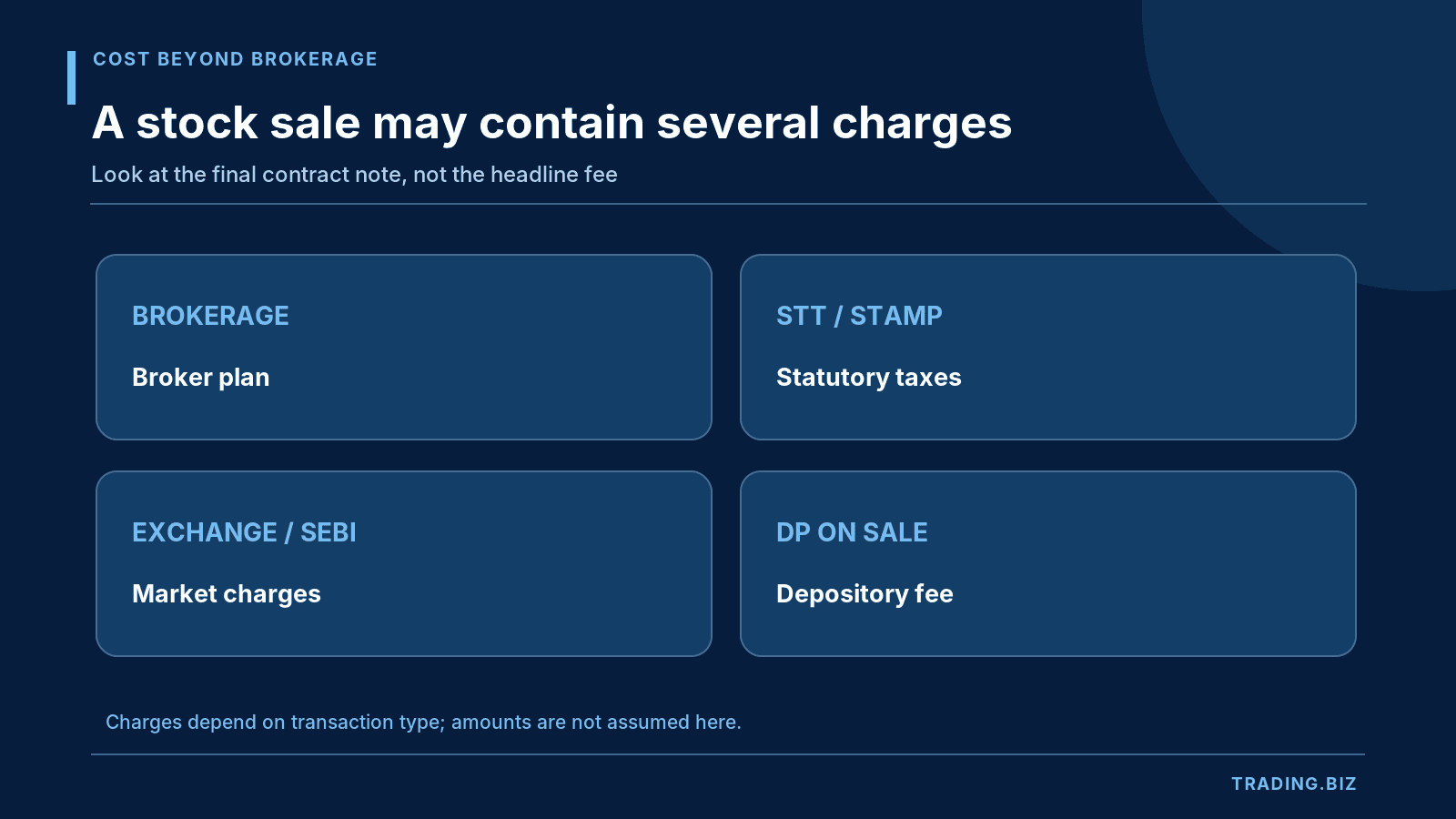
Figure 2. Common fee categories on Indian securities transactions.
Imagine placing ten Rs 2,000 equity purchases a month. A broker with Rs 5 minimum brokerage could charge Rs 50 before taxes and transaction costs. At a broker with zero delivery brokerage, those specific fees would be absent, although statutory charges would remain. If you then sell the holdings in ten separate transactions, DP debits could materially increase the bill. A cost calculator should reflect the number of executions, instead of using the combined amount invested.
Account maintenance, inactivity and transfer charges
Read the demat AMC policy and the charges for off-market transfers, pledge instructions, call-and-trade orders and physical statements. An account advertised as 'free' may offer free opening while charging later for maintenance or specific services. There is nothing inherently wrong with a published fee. Problems arise when the fee schedule is unclear or a promotion is mistaken for a permanent rate.
Ask whether the broker supports BSDA eligibility and what happens if your holdings move between slabs. Also check how dividends and corporate actions appear in the ledger. For a long-term investor, administration can matter more than tiny differences in execution speed.
The differences are easy to see on a ₹10,000 delivery order. Zerodha publishes zero brokerage for eligible individual delivery trades. Groww lists the lower of ₹20 or 0.1% per order, subject to a ₹5 minimum, so brokerage on that purchase would be ₹10. Angel One lists the same 0.1% or ₹20 framework, with a ₹5 minimum, after any applicable introductory offer. The comparison concerns brokerage only. Securities transaction tax, exchange charges and any applicable demat-sale fee still have to be included when calculating the amount spent or received.
International brokers available to Indian residents
Some overseas brokerage groups accept selected Indian residents for permitted international securities activity. The answer depends on the product, residency classification, remittance route and legal entity. Foreign investing under a permitted channel should not be confused with funding offshore leveraged forex or CFD margin positions, which RBI has warned against.
Before choosing a platform for international investments, ask an authorised bank about FEMA and LRS requirements, check the instrument and review tax and currency-conversion costs. International account eligibility is not universal, and an overseas broker's website may present products that are not available to Indian residents.
How to open a demat and trading account step by step
First decide whether you need shares, ETFs, mutual funds, currency derivatives, commodities or F&O. A single broker account may support several categories, but each requires suitable permissions. Then verify the broker's SEBI registration and exchange memberships. Compare the latest pricing pages, not a promotional banner.
Apply through the broker's official app or website. You will generally need PAN, an identity and address verification process, a linked bank account and other KYC information. The broker may request an electronic signature or supporting financial documents for derivatives access. Never share an OTP with someone posing as an account-opening agent.
Before funding, review the account nomination choices and read the power-of-attorney or demat debit authorisation arrangement carefully. After activation, deposit a small amount, place an affordable test order and download the contract note. Check that charges match the published schedule. It is easier to resolve a minor discrepancy early than to reconstruct months of statements later.
What makes a broker suitable for F&O trading?
Options trading depends on risk controls. Look for clear margin reporting, the ability to see total exposure and a dependable exit workflow. Understand the broker's automatic square-off rules and fees. An account that offers quick leverage without understandable liquidation controls can be costly during a sudden market move.
Buying an option can lose the entire premium. Selling options may create much larger exposures and margin calls. Retail F&O trading has a poor track record for many participants, so a beginner should not use it merely because the app places an options tab beside the stock watchlist.
Red flags before opening an account
Avoid agents promising a fixed return or asking you to transfer money to their personal bank details. Verify the registered intermediary independently. Check support channels, the procedure for complaints and the exit process for closing an account or transferring securities. A legitimate broker will publish formal documents rather than substitute a social-media chat.
A worked comparison for monthly investors
Suppose you buy Rs 8,000 of the same stock every month for a year. Under a brokerage schedule with a Rs 5 minimum per order, the broker component alone might total Rs 60 across 12 purchases. A zero-delivery-brokerage account removes that component, but both options still incur the relevant statutory charges. The real comparison changes if you make one larger purchase each quarter or regularly sell small holdings.
Now consider a trader who places five intraday orders per day. The brokerage structure, number of executions, automatic square-off rules and trading infrastructure deserve a separate review. A flat per-order cap may help at higher trade values, while a percentage-based fee can be economical for smaller orders. Slippage during a fast move can cost much more than the broker's published commission.
There is also a service question that doesn't fit neatly in a price table. Check whether you can resolve a rejected order without leaving the app, download an accurate tax statement and get a written answer to an unexplained charge. Test those features while the account is new. Broker houses in India compete heavily on opening offers, but the daily experience matters after the promotion ends.
Suppose the investor makes one ₹10,000 delivery purchase every month. Under a 0.1% brokerage schedule, twelve purchases would incur about ₹120 in brokerage before taxes, assuming the minimum and cap do not alter the amount. That is not necessarily a large cost, but the user may eventually sell the holdings and face a separate depository participant charge. Download a few real contract notes before choosing a platform on the strength of a promotional fee headline. Customer service and reliable statements matter more to a long-term investor than a flashy trading screen.
FAQ
Which is the best stock broker in India for beginners?
Zerodha, Groww and Angel One are all worth checking, but their prices and tools differ. Beginners should compare a small sample order, support access, account charges and the ease of reading statements. Avoid choosing solely on app ratings.
Does Zerodha charge brokerage on delivery shares?
Its official schedule lists zero brokerage for eligible retail equity delivery orders. Taxes, exchange fees and demat-related charges may still apply. Check the current account category and terms before investing.
Is Groww free for stock delivery trades?
No. Groww's published equity brokerage is the lower of Rs 20 or 0.1% per executed order, with a Rs 5 minimum. Other transaction and DP costs may also apply. Its account maintenance policy is separate.
Is Angel One the same as Angel Broking?
Yes. The Angel Broking brand was renamed Angel One. Its current products and charges should be checked on Angel One's own website rather than on older articles quoting a zero-brokerage delivery offer.
Can Indian residents use international brokers?
Some permitted international securities investments may be available, depending on FEMA and LRS rules and the broker's eligibility policy. Offshore margined forex or CFDs raise separate restrictions. Verify the exact product with an authorised intermediary.
Source references
Find Your Perfect Broker: Explore Our List Now!
Choose the best with our expert-selected options

Find Your Perfect Broker: Explore Our List Now!
Choose the best with our expert-selected options
Discover top binary options brokers tailored to your region. Browse our curated lists by country: