Updated:November 13, 2026

9 min

0
Interactive Brokers review for India: account opening, LRS, fees
Interactive Brokers attracts Indian investors who want access to overseas stocks, ETFs and bonds without opening a string of separate foreign accounts. The important detail is how the account is opened and funded. Indian-resident overseas investing is generally a cash-account arrangement subject to the RBI's Liberalised Remittance Scheme, or LRS. Pakistan is a separate jurisdiction with different foreign-exchange rules. This Interactive Brokers review focuses on those practical differences, what the platform costs and where its complexity can get in the way.

Vadim Egortsev
Author

Updated November 13, 2026
Interactive Brokers India: what it offers and who it suits
Interactive Brokers India lists separate account paths for NSE trading, overseas trading and combined access. For an Indian individual using the overseas route, IBKR says the account is cash only. The supported product list includes stocks, ETFs and bonds across international markets. It is not a general permission slip for overseas leveraged forex speculation.
That overseas offering is most useful to someone buying diversified foreign investments and willing to manage currency conversion, cross-border tax reporting and market-data needs. Active derivatives traders should pay close attention to which products the account actually permits. The fact that IBKR offers futures, options and margin to customers elsewhere does not mean every Indian resident can use those products through the LRS route.
Is Interactive Brokers legitimate?
Interactive Brokers operates through multiple regulated entities. The entity serving you determines the legal protections and account terms. Use the regulator and entity information in the onboarding documents, rather than relying on a generic claim about being "globally regulated." Investor-protection schemes are not identical across jurisdictions and do not protect an investment from losing market value.
Opening an Interactive Brokers account from India
Begin at the India-specific Interactive Brokers site and select the account for your intended market access. The official application asks for identity details, residence and tax information, investment experience and financial circumstances. IBKR India's checklist includes a PAN card, address proof and bank information. Depending on the account, a webcam verification or further documents may be required.
India application checklist
Have your PAN and address ready with matching spellings. Prepare a recent bank statement, income or liquid-net-worth information and a tax-residency declaration. For US securities, the W-8BEN tax form is commonly part of the non-US investor workflow. Read it rather than blindly accepting default selections: the form is used to certify foreign status for US tax withholding, and treaty treatment depends on eligibility.
The funding-notification step is only a notice of intent to transfer money. It does not send a bank transfer. Funding is a separate transaction, normally initiated from a bank account in your own name. Keep the application confirmation and bank reference for later reconciliation.
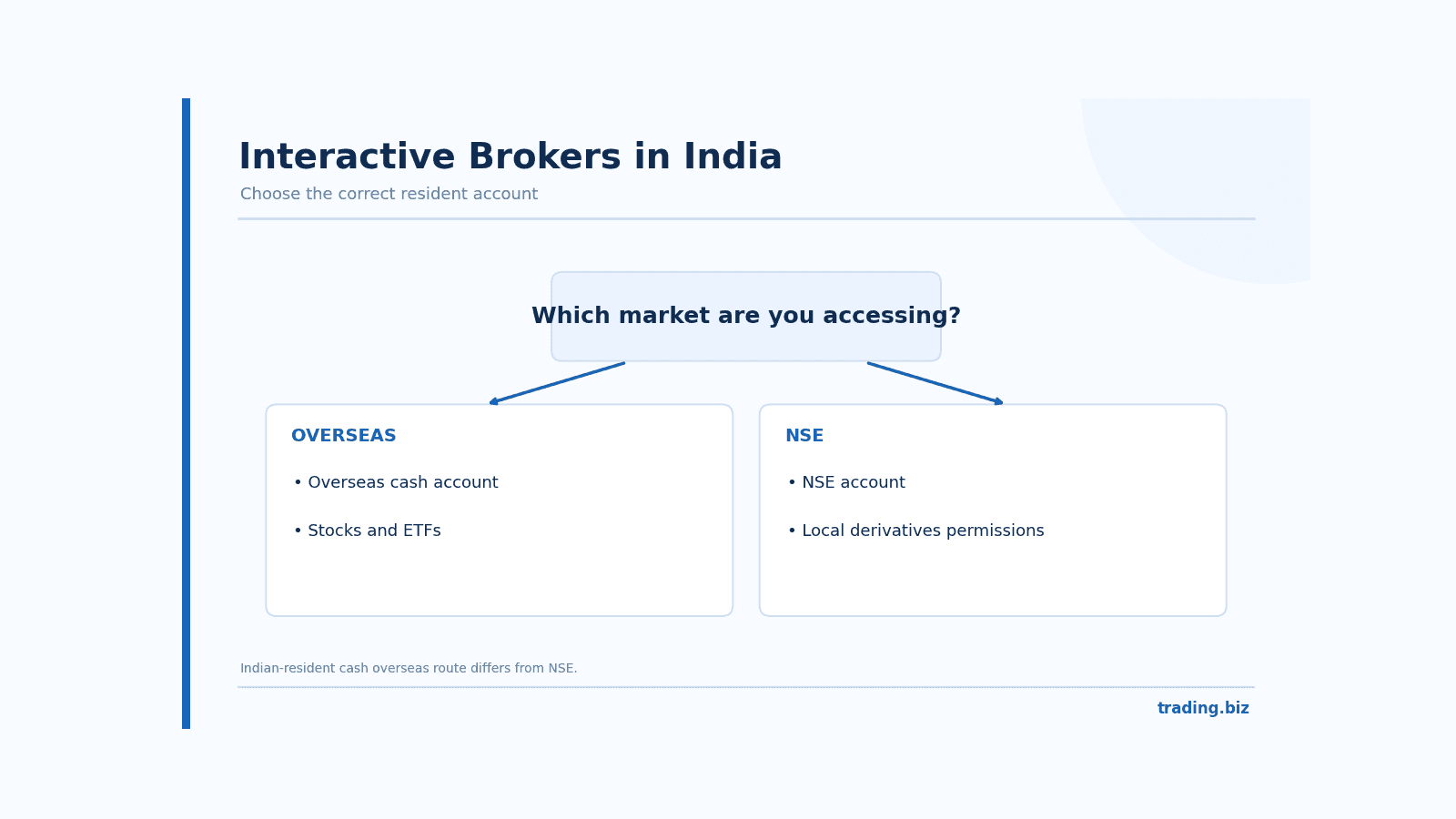
Figure 1. Overseas cash accounts and local NSE access follow different rules.
Sending money under LRS and funding from Pakistan
The RBI's LRS framework generally allows resident individuals to remit up to US$250,000 per Indian financial year for permitted transactions. Overseas securities investment can fall within that framework. RBI rules do not allow remittances for margin or margin calls to overseas trading counterparties. Your bank may ask for Form A2, purpose codes, PAN details and supporting documents. It will also quote an exchange rate and its transfer charge.
LRS is an Indian rule, not a global account feature
A person living in Pakistan cannot use India's LRS simply because the broker has an Indian office. Pakistan-resident customers must follow State Bank of Pakistan foreign-exchange rules and whatever IBKR account is available to their residence. Availability, documentation and outward-remittance permission need to be confirmed separately with the broker and an authorized bank. Do not try to move money through an unrelated person's account to shortcut the process.
Indian investors should also consider tax collected at source, or TCS, rules on outward remittances. Rates, thresholds and exceptions have changed over time. Ask the remitting bank for its current treatment and have your tax adviser check the applicable Indian financial year. TCS is not automatically the same thing as a final investment tax bill.
Interactive Brokers fees: stocks, options and currency conversion
IBKR's pricing depends on the product, venue, entity and whether you use fixed or tiered pricing. A US stock order may carry minimum commissions and exchange-related fees; a small order can therefore cost more per share than a large one. Options pricing includes contract fees and sometimes additional charges. Market data subscriptions can be free or paid depending on exchange, account eligibility and usage.
A worked cost comparison is more useful than calling the broker low-cost. Suppose your hypothetical order has a $1 minimum commission. On a $250 purchase that represents 0.4% before spread and FX. On a $5,000 purchase it is 0.02%. The actual commission might differ from that assumption; check the live IBKR calculator and price list for the exact product and route.
Currency exchange creates another layer. A bank remittance can include its own rate spread and wire charge. IBKR may also charge for conversions inside an eligible account. Write down the rate, the transfer amount that reaches the broker and the total local-currency outlay before comparing brokers.
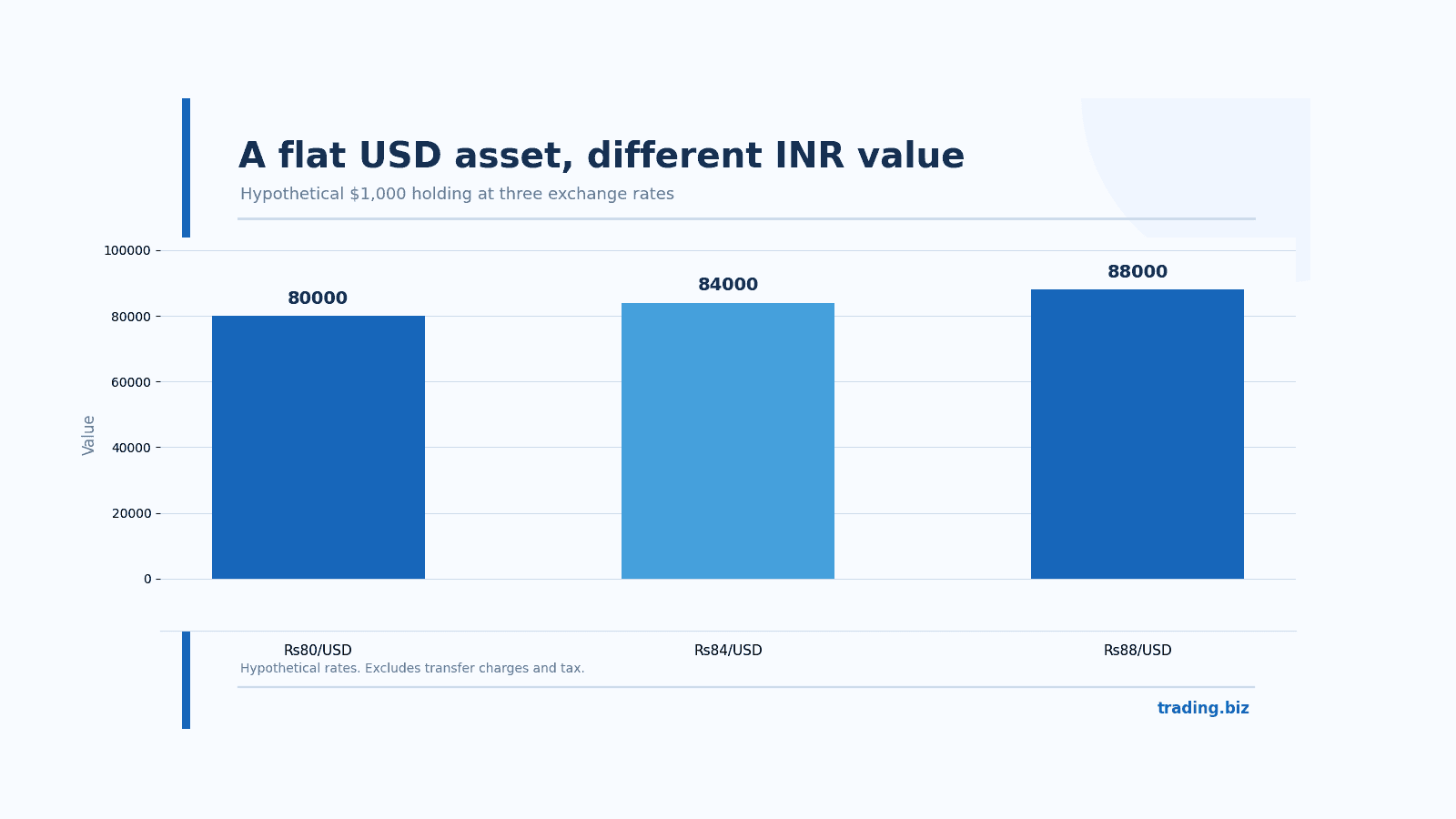
Figure 2. How exchange-rate changes affect the rupee value of a US-dollar holding.
Trader Workstation, IBKR Mobile and paper trading
Trader Workstation, or TWS, is powerful but busy. Its layouts, order types and market-data windows reward someone willing to learn the interface. IBKR Mobile is more manageable for basic monitoring and orders. The Client Portal provides account administration, funding messages and reports. Paper trading is useful for learning the interface, but simulated fills and market access may differ from real execution.
IBKR Lite versus IBKR Pro
US advertising about commission-free IBKR Lite should not be transplanted into an India review. Lite eligibility is not universal. An Indian-resident international account should be evaluated using the pricing schedule actually shown during enrollment. Treat claims about zero commissions or US margin rates with skepticism unless they apply to your country, account type and entity.
Pros, cons and risks for an India-based IBKR investor
The strengths are broad market access, sophisticated order tools and consolidated reporting. The friction is real: the application is detailed, foreign remittances take planning, and fees can look complicated until you understand the tariff. Currency moves can change returns in INR even if the overseas asset does little. Market risk remains entirely yours.
Keep the Indian and overseas account permissions separate in your notes. Check what you can trade, whether you are allowed to use margin, which IBKR entity holds the account and how you will fund it. That avoids the most expensive kind of account-opening mistake: building a strategy around instruments you later discover are unavailable.
Currency risk and paperwork after the account opens
An Indian investor's return has two moving parts: the overseas asset's price and the exchange rate used to translate the result into rupees. Imagine buying a US stock for $1,000 when the exchange rate is Rs 84 per dollar. If the stock stays flat and the dollar later converts at Rs 80, the rupee value falls from Rs 84,000 to Rs 80,000 before fees. If the dollar strengthens to Rs 88, the reverse happens. That currency effect does not require any trading mistake.
Export account statements regularly. Save the purchase and sale dates, proceeds in the transaction currency, commissions, dividends and withholding tax information. A W-8BEN may affect applicable US withholding treatment, but it does not finish your Indian tax reporting. Keep the bank's outward-remittance confirmation and the exchange rate actually charged. The rate on a news website is unlikely to match the final all-in bank quote.
A second check before sending more funds
Funding becomes routine after the first successful transfer, which is exactly when careless assumptions can creep in. Reconfirm the beneficiary details in the official Client Portal, check the account's permitted product set and make sure a foreign securities purchase is still within your planned LRS use. Never email somebody your login because they claim a wire is stuck. Banks and brokers have formal channels for payment investigations; an account password is not part of them.
A portfolio of foreign ETFs is also subject to fees embedded in the funds themselves. Compare the funds' expense ratios and tracking differences, not just broker commissions. An investor holding positions for years should probably spend more time on currency exposure and asset allocation than on shaving a few cents from a one-time order ticket.
The real cost of a small overseas portfolio
For someone buying $200 of foreign stock each month, transfer charges can matter more than headline brokerage. Imagine an international wire costs the equivalent of $15 each time. Twelve monthly transfers create $180 of transfer costs before trading commissions, whereas four quarterly transfers would cost $60 under the same assumption. The trade-off is that less frequent funding means different market-entry timing and potentially larger cash balances waiting at home. These are hypothetical charges, not IBKR's quoted tariff; the exercise shows why investors should calculate the full funding path.
A simple annual worksheet should include bank conversion spread, outgoing wire fee, intermediary deductions, brokerage commissions, exchange fees, dividends and currency effects. Compare those totals with the expected investment size. If administrative friction consumes a meaningful share of the contribution, adjusting funding frequency may matter more than upgrading to an advanced order type.
FAQ about Interactive Brokers in India
Can Indian residents buy US stocks through IBKR?
Interactive Brokers lists an overseas-investing account route for Indian residents. Overseas securities access generally uses a cash account and funding through permitted remittance channels. Product eligibility should be confirmed in your specific application.
Can I send margin to an overseas IBKR account under LRS?
RBI guidance says LRS cannot be used for margin or margin calls to overseas counterparties. Overseas Indian-resident investment accounts are therefore not equivalent to globally available leveraged trading accounts.
Is the $250,000 LRS limit a broker deposit requirement?
No. It is an annual remittance limit for permitted purposes, not an account minimum or a recommendation to transfer that amount. IBKR and banks may set their own operational requirements.
Can a Pakistan resident open the same India account?
Not simply by selecting India. Account structure and funding permissions depend on actual residence, local law and IBKR eligibility. Pakistan's rules must be checked separately.
Is Interactive Brokers good for beginners?
It can suit a careful investor who wants international access and can handle paperwork. Someone making occasional tiny purchases should calculate commissions, transfer costs and reporting obligations first.
Official reference: Interactive Brokers India account information | IBKR overseas trading FAQ
Find Your Perfect Broker: Explore Our List Now!
Choose the best with our expert-selected options
Find Your Perfect Broker: Explore Our List Now!
Choose the best with our expert-selected options
Discover top binary options brokers tailored to your region. Browse our curated lists by country: