Updated:November 11, 2026

5 min

SafeMoon: What Happened
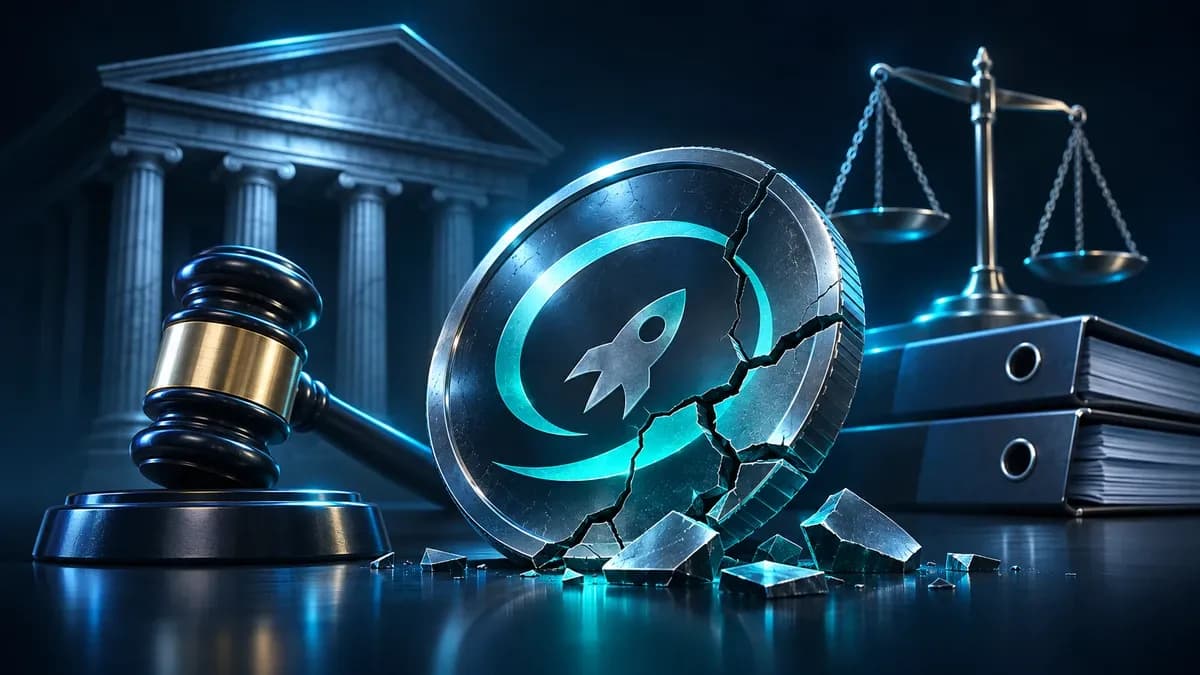
SafeMoon was a BNB Chain token built around a reflection and burn mechanism, promoted heavily on social media. Its executives were later charged with fraud and the company filed for bankruptcy. Here is how it was structured and what happened. Updated September 2026.

Cory Mitchell
Author
Updated October 23, 2026
SafeMoon was a BNB Chain token built around a reflection and burn mechanism, promoted heavily on social media. Its executives were later charged with fraud and the company filed for bankruptcy. Here is how it was structured and what happened. Updated September 2026.
Defi without locking your tokens
The outcome first
In November 2023 the US Department of Justice and the Securities and Exchange Commission brought criminal and civil fraud charges against SafeMoon executives, including chief executive John Karony, alleging they diverted investor funds.
The company filed for bankruptcy in December 2023, and Karony was subsequently convicted. Anyone researching the token today is researching a collapsed project rather than an investment decision.
The reason this page remains useful is the structure. The mechanism SafeMoon used is still in circulation under other names, and recognising it is the practical takeaway.
How the token was structured
SafeMoon was a decentralised finance token built on Binance Smart Chain, now BNB Chain. Its defining feature was a fee applied to sales.
Selling tokens incurred a 10 percent fee. Part of that was redistributed to existing holders, part was burned, and part went to a liquidity pool.
Read that mechanism carefully, because it is the whole design. The fee penalises selling and rewards holding, which means the token's price support comes from making exit expensive rather than from anything the project produces.
The most recent version, SafeMoon V2, carried a total supply of one trillion tokens, with individual token prices in fractions of a cent.
The structural criticism
Critics compared the model to a Ponzi structure, and the comparison rests on a specific point rather than on general scepticism.
The token had no real utility. Unlike tokens powering an application or a network, holder rewards came entirely from the fees paid by other participants, primarily those selling.
That means returns to existing holders were funded by new and exiting participants rather than by any external revenue. The arrangement works while inflows continue and unwinds when they stop, which is the defining characteristic of the comparison.
Marketing and celebrity promotion
The project generated substantial attention through social media, including promotion by well-known celebrities across Twitter and other platforms.
Celebrity crypto promotion has been a repeated subject of regulatory action, with authorities pursuing cases where paid endorsements were not disclosed. A recognisable name attached to a token is a marketing expense, not a due diligence signal.
Large marketing budgets also consume capital that might otherwise fund development, which was a criticism raised against the project independently of the fraud allegations.
The security breach
Beyond the legal issues, SafeMoon suffered a security incident affecting its liquidity pool.
The attacker subsequently agreed with the project developers to return a portion of the funds taken. A negotiated partial return is not a resolution: it indicates the contract had an exploitable flaw and that recovery depended on the attacker's cooperation.
Centralisation on BNB Chain
Because the token was built on Binance Smart Chain, validation is controlled by a far smaller set of participants than on Bitcoin or Ethereum.
A further concern was supply concentration: a large share of tokens was not in circulation and was held by a small number of wallets. Selling such a holding into a market with limited liquidity moves the price dramatically, which is a risk to every other holder.
What to take from this
-
A token whose rewards come from other participants' fees has no external revenue, and the structure depends on continued inflows
-
High exit fees are a warning, not a feature: they make selling expensive precisely when you most want to
-
Celebrity promotion is a marketing expense and carries no information about the project
-
Check supply concentration, a few wallets holding most of a token is a risk to everyone else
-
Verify whether the token does anything beyond redistributing fees
-
Compare regulated venues in our [[crypto brokers|/crypto-brokers]] section for established assets
See our broker reviews for platform assessments.
SafeMoon: frequently asked questions
What happened to SafeMoon?
US authorities brought criminal and civil fraud charges against its executives in November 2023, the company filed for bankruptcy that December, and chief executive John Karony was later convicted.

Legal Action and Safemoon Coding Issues

What Sort of Coin is Safemoon?
How did the token work?
A 10 percent fee on sales, split between redistribution to holders, burning and liquidity. The mechanism penalised selling and rewarded holding.
Why was it compared to a Ponzi structure?
Holder rewards came from fees paid by other participants rather than from external revenue, so returns depended on continued inflows.
Did celebrity promotion mean it was legitimate?
No. Celebrity crypto promotion is a marketing expense and has been the subject of regulatory action where endorsements went undisclosed.

New Developments for Safemoon
What was the security issue?
An exploit affecting the liquidity pool, after which the attacker agreed to return part of the funds. Recovery depended on the attacker's cooperation.
What is the lesson for other tokens?
Check whether rewards come from external revenue or from other participants' fees, and treat high exit fees as a warning rather than a feature.
Find Your Perfect Broker: Explore Our List Now!
Choose the best with our expert-selected options
Find Your Perfect Broker: Explore Our List Now!
Choose the best with our expert-selected options
Discover top binary options brokers tailored to your region. Browse our curated lists by country: