Updated:November 11, 2026

13 min

11 best paper trading apps (trade with no risk)
Do you think you should jump in and start trading? It can be bad if you don’t know anything about trading.

Saqib Iqbal
Author

Updated October 23, 2026
Do you think you should jump in and start trading? It can be bad if you don’t know anything about trading.
What is paper trading?
So what is paper trading? Some kind of simulated game?
11 Best Paper Trading Apps
Or is it risk-free trading? Let’s find out everything about paper trading.
Do you know where paper trading came from? When there were computers, traders practiced their trades on paper. That’s how we got the name “paper trading.”
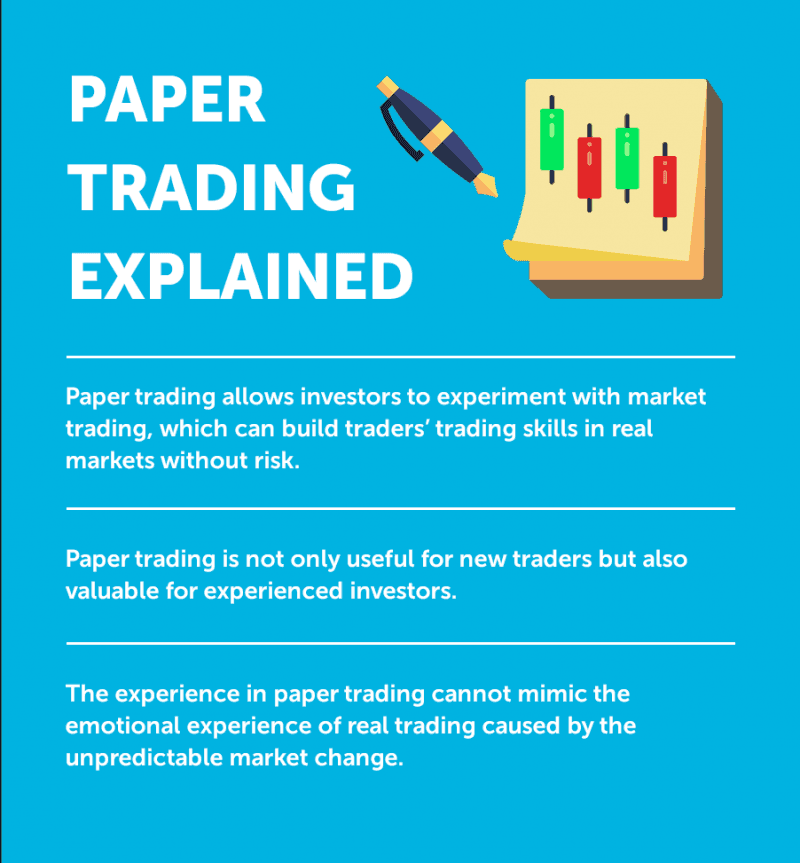
Paper trading, aka demo trading, allows you to trade forex, stocks, options, and others without investing real money.
The major difference between paper trading and real trading is that no actual money is at stake in paper trading. A paper trading account has the same appearance and feels like a real money account, but trades provide no actual financial gains or losses to the account owner.
So, what exactly is the aim of paper trading? Traders use paper trading for educational purposes. It’s a good method for new investors to get a feel for how complicated financial instruments like forex and others work.
You are a pro and don’t need paper trading; think again! Paper trading is not just for newbies. For pros, it is a great way to try out new forex or stock market strategies without taking any risks.
Why do you need paper trading?
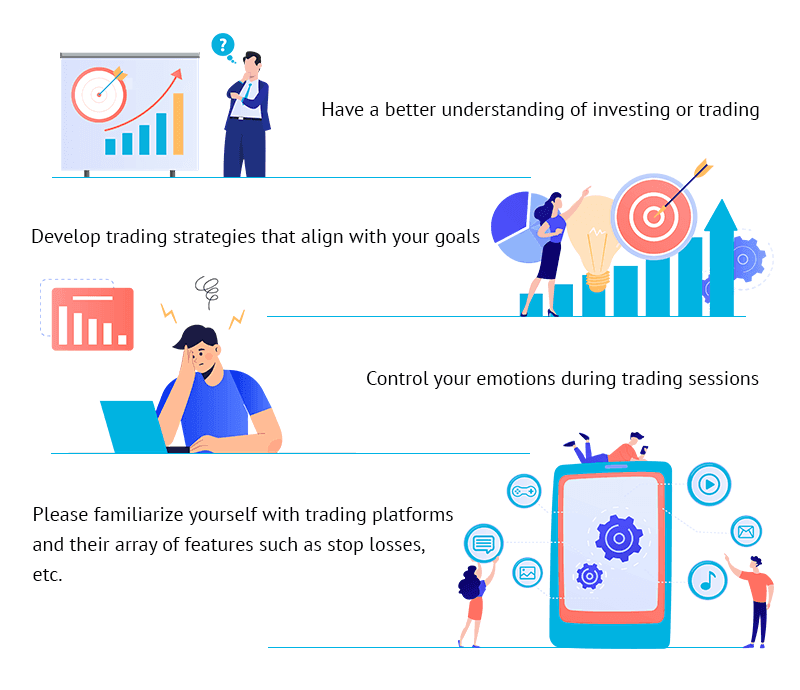
The basic advantage of paper trading is that it allows you to become familiar with the broker’s trading platform. Not all trading platforms are the same.
Before you commit to a certain broker, you should ensure that you are comfortable with the overall trading process. Another reason paper trading is essential is to practice.
Perhaps you’re new to trading and wish to begin a winning approach. Or perhaps you’ve been trading stocks and now looking to move towards forex. In the trading world, a saying goes, “It’s not the trading system that fails the trader; it’s the trader that fails the trading system.”
Paper trading
One goal of paper trading is to create a trading strategy, sort out the flaws, and watch how you react to changing market circumstances. Are you self-disciplined enough to stick to your rules? If not, you should keep doing paper trading. Whatever the reason, paper trading allows you to open and close trades without losing anything.
Is paper trading the same as real trading?
There should be no difference between how we trade on paper and real life. However, our minds can play us.
You’ll be amazed at how well you do while paper trading; however, things may change if you start trading with real money. When a deal goes against you, you quickly notice that actual money is leaving your account.
As a result, it may be more difficult to keep emotion out of your trading decisions. So, that’s where the difference comes from real and paper trading.
There is a practical consequence to that gap, and it is worth planning for rather than being surprised by. Most people trade noticeably better on paper, and the reason is not skill, it is consequence. A demo drawdown is an intellectual exercise. A real one is money leaving your account while you watch.
So treat simulated results as a ceiling rather than a forecast, and move across in stages: smallest live size the broker allows, same strategy, and expect worse numbers for the first few weeks. That gap tells you about yourself, not about the strategy.
What are the best paper trading apps for 2026?
You want to get started with paper trading. The easiest way to do that is through paper trading apps.
So, what are some of the best paper trading apps? Here are the 11 best apps you can try.
Before I go further, there’s something I need to add, “How to select the best paper trading app?”
You’ll need to look at more than just the risk-free aspect of the paper trading apps. After all, you’re probably looking for an app you’ll eventually use for real trading. So, here are some of the factors you need to look for:
-
Regulation
-
Trading assets (forex, stocks, commodities, etc.)
-
Trading platforms and tools
-
Account types
-
Trading fees
-
Deposits/withdrawals methods
-
Educational resources
You’ll be thinking, “Oh gosh! I have to look for all of that.” Don’t worry; we have made all the effort for you and compiled a list of the 11 best paper trading apps you can try.
Two filters cut that list down fast, and neither appears above. Does the demo expire? And does it need a funded live account first? Between them they rule out roughly half the options for most people, which is why they are flagged in each entry below.
1. TD Ameritrade
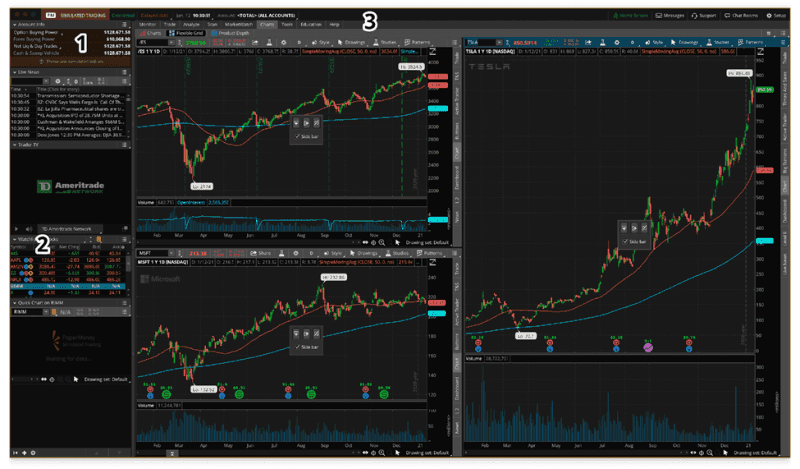
Our top pick for paper trading is TD Ameritrade. TD Ameritrade provides paperMoney, a stock simulator that operates on their trading platform thinkorswim. PaperMoney pulls real-time data to let you test your strategy in real time.
It includes various assets such as stocks, options, futures, Bitcoin, and currency markets. There are also several indicators and charting tools available. Plus, it is free to use, and you don't need a brokerage account, which is rare among the more capable simulators. One thing to check before planning around it: the TD Ameritrade brand has been folded into Schwab since this list was compiled, so confirm the current access route.

Virtual trading platform features
TD Ameritrade platform
Pros Cons You don’t need a brokerage account. Not available in many countries. Highly trusted platform. Various assets are available.
2. eToro
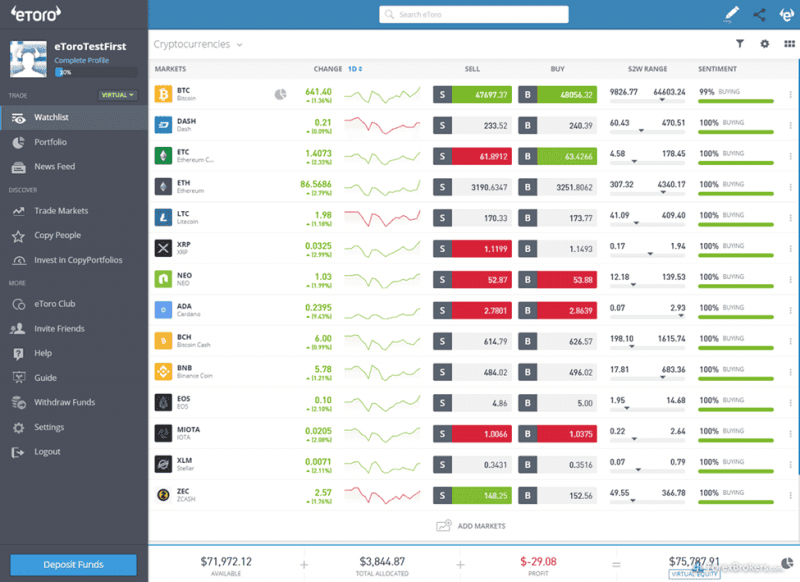
eToro is one of the most popular brokers out there. eToro has a demo account, which allows you to practice with $100,000 in virtual funds.
You can trade multiple trading assets and trade on the eToro native platform. Furthermore, unlike the other apps on our list, eToro allows you to easily switch between your real and demo accounts.
TD Ameritrade platform
eToro is one of the few apps that allows users from the US, the UK, and other countries. If you want to learn more about eToro, read our eToro review for a more in-depth look at what the broker offers.
eToro web platform
Pros Cons Highly regulated The native platform lacks additional features Social trading features Available in many countries
3. Interactive Brokers
You must first create and fund a real trading account with Interactive Brokers before you start a demo account.
Fortunately, after completing everything, it should not take more than 24 hours for your paper trading account to become available.
The demo accounts at Interactive Brokers provide $1,000,000 in virtual money. IBKR has excellent search tools and other advanced strategies that make it stand out from the rest. You can learn more about IBKR in our review.
eToro web platform
Interactive Brokers Trader Workstation
Pros Cons Multiple assets Requires opening a real account first Highly trusted platform Good for forex and stock paper trading
4. IG
Founded in 1974, IG is one of the best choices for paper trading. Through IG’s demo account, you can start your paper trading venture.
Signing up for the demo account is simple. All you need is an email address and a phone number. The demo account with IG Markets never expires.
Also, there is no minimum deposit requirement for starting a live account. IG offers a wide range of educational resources with the IG Academy. From beginners to pros, everyone can take advantage of online trading courses.
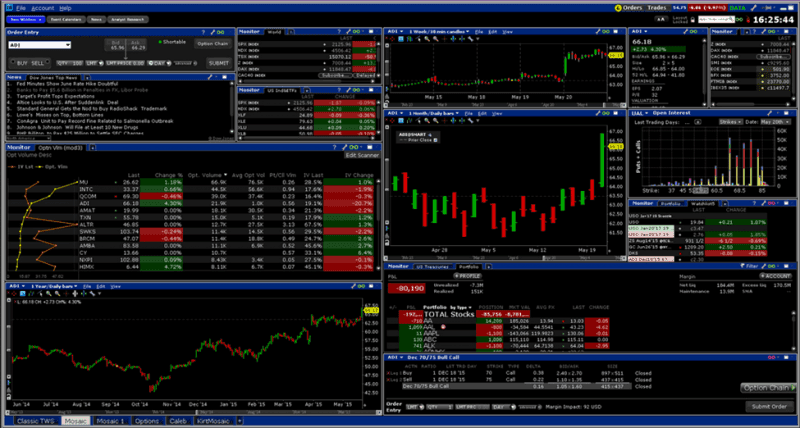
Interactive Brokers Trader Workstation
If you are curious to learn more about IG, you can check our in-depth review.
IG trading platform
Pros Cons Available in the US Stock trading has high fees. Excellent educational resources No minimum deposit for the live account
5. E*Trade
E*Trade provides a paper trading platform, one of the greatest virtual simulators available. The paper trading account provides you with $100,000 in virtual cash.
You can practice trading stocks, options, and other assets. E*Trade offers a paper trading account on the Power E*Trade platform. Power E-Trade is the firm’s native trading platform.
The innovative web-based platform offers over 100 technical analyses and 30 drawing tools for your trading activity. You can get all of this when paper trading with E*Trade. You can check our E*Trade review here.
Power E*Trade
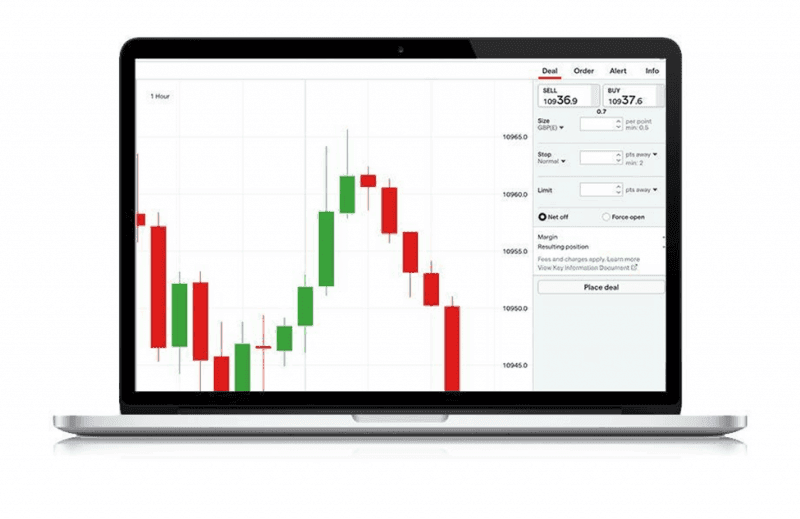
IG trading platform
Pros Cons Multiple tools on the native platform Available in the US only Plenty of assets to trade No minimum deposit for the live account
6. Webull
Webull paper trading combines all of the features of a great paper trading simulator. It provides paper trading platforms for web and mobile versions.
The app interface is superb, with a separate paper trading panel. The app’s usefulness is based on the live trading approach. It perfects your practice for real trading.
The app gives you a virtual money balance of $1 million, which you may change higher or lower. You only need to establish a Webull real account to use the finest paper trading app.
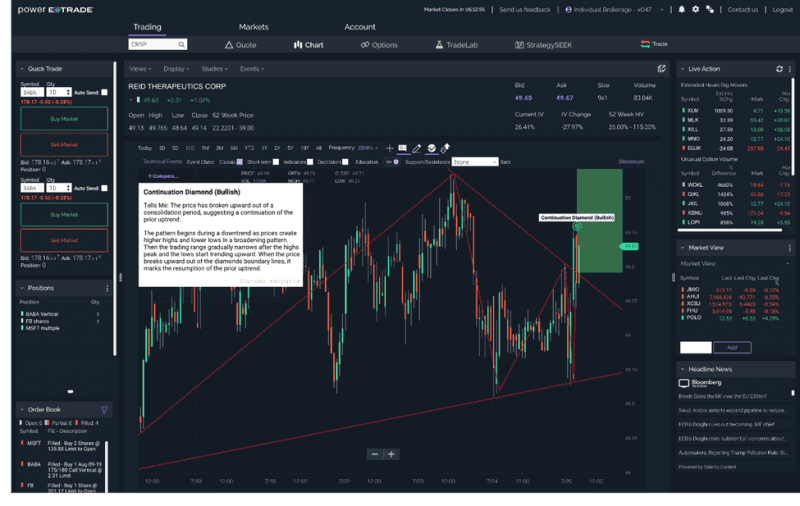
Power E*Trade
Webull paper trading app
Pros Cons Multiple trading tools on the native platform. You need a real account first for paper trading. $1m in virtual funds. Superb interface.
7. AvaTrade
AvaTrade is one of the best options paper trading apps. You get access to real-time market data, 24/7 customer service, and forex trading education when you paper trade with AvaTrade. You will also be able to connect with several premium trading and market analysis tools.
The AvaTrade demo account has $10,000 in virtual currency. Furthermore, because it is only active for three weeks, all unused virtual balances in your paper trading account will expire after 21 days. However, AvaTrade can extend the period if you contact their support team.
If you want to know more about AvaTrade, you can check our detailed review here.
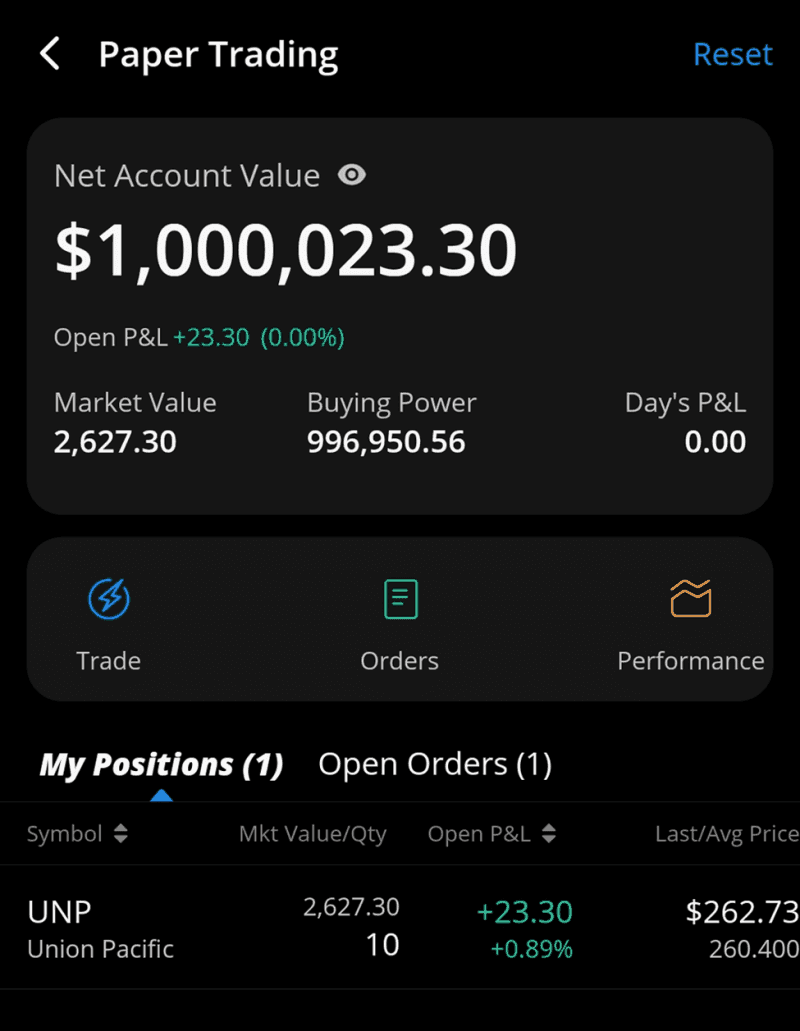
Webull paper trading app
AvaOptions platform
Pros Cons Multiple trading tools and features. The demo account is available for 21 days only. Excellent educational content. Multiple trading assets.
8. FXCM
FXCM joins our list of the top demo forex accounts due to its commitment to forex education, and it’s a cherry on top with the demo account for any beginner.
It is also accessible on various trading platforms, including MT4, ZuluTrade, NinjaTrader, and Quant. You can link one of them to your desktop or mobile app and receive $50,000 in virtual funds when you sign up for a free demo account.
FXCM demo app
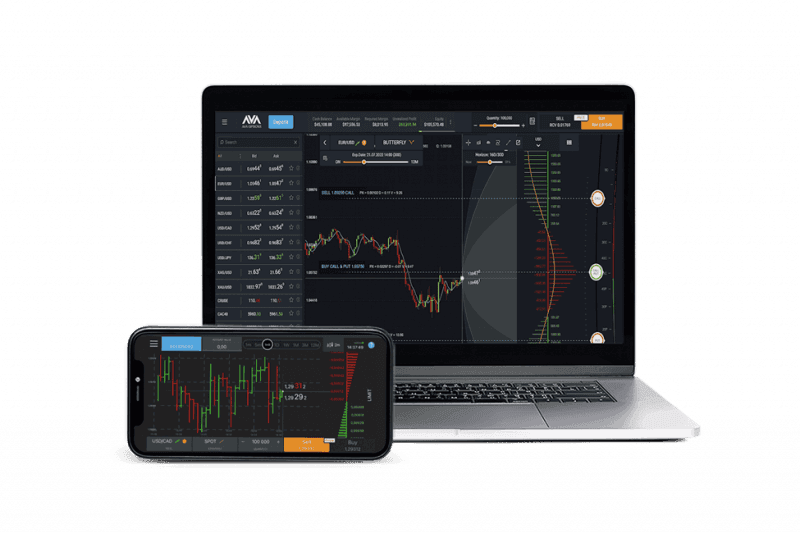
AvaOptions platform
Pros Cons Multiple platforms for a demo account. The broker is banned from the US. Easy account opening process. Multiple trading assets.
9. Capital.com
For currency traders, Capital.com is the ideal paper trading app. For 30 days, the app provides access to the demo account. It also provides access to many technical indicators, graphing, and other tools. You can have $10,000 in virtual funds when paper trading with Capital.com.
Pros Cons Multiple technical tools. A demo account is only available for 30 days. Ideal for forex demo trading. Beginner-friendly interface.
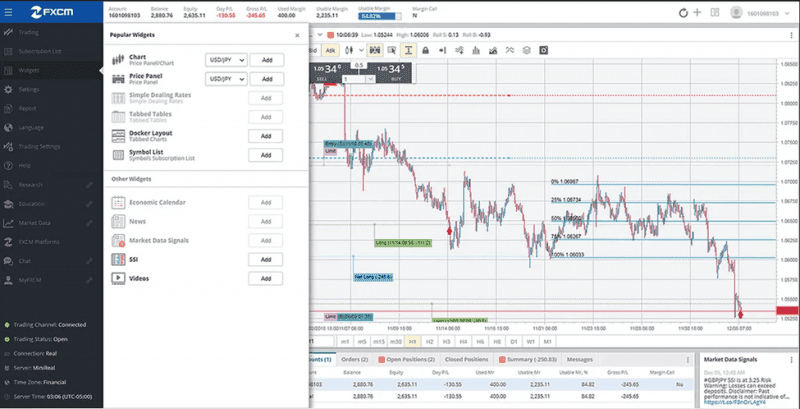
FXCM demo app
10. Plus500
Plus500 is one of the top CFD paper trading apps. It allows you to trade multiple assets with a virtual money balance of £50,000. When your balance falls below £200, it is restored to its original amount.
The broker allows demo trading on the native platform. Here, you’ll find plenty of technical tools and risk management features.
Plus500 demo account
Pros Cons Suitable for forex demo trading. Less tradeable assets. Offer demo trading on the native platform. Beginner-friendly interface.
11. Trading 212
Trading 212 is the ideal paper trading app if you are from the UK. Registering an account to use the paper trading app is unnecessary, and you can get started immediately.
If you want to upgrade to a real money trading account, there is no minimum deposit required by the broker.
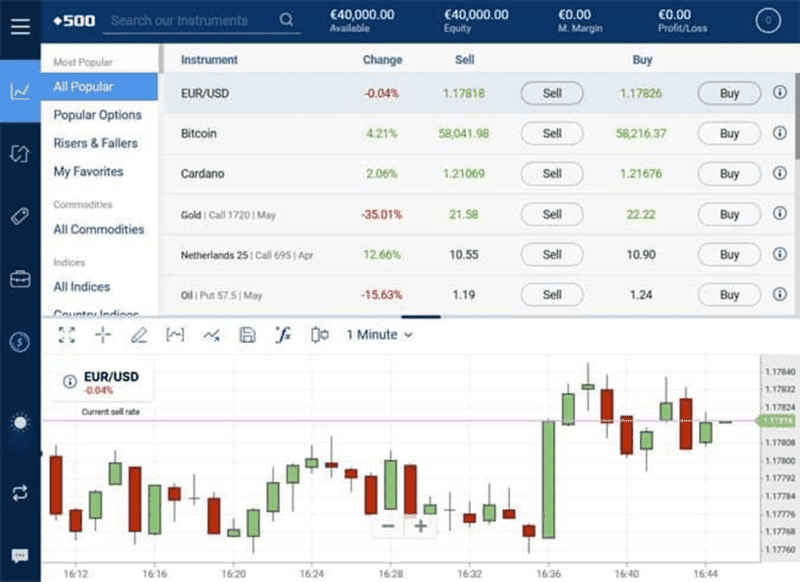
Plus500 demo account
How to get real value out of a demo account
Here is the mistake nearly everyone makes: trading a virtual million as though it were free money. Fifty random trades on a balance you will never hold teaches you nothing you can carry across.
What works instead is boring and effective. Set the virtual balance to what you actually plan to trade with, where the platform lets you adjust it, and size every position properly using a position size calculator. Log each trade with the reason for entry, the planned stop and what happened. Run at least thirty before concluding anything.
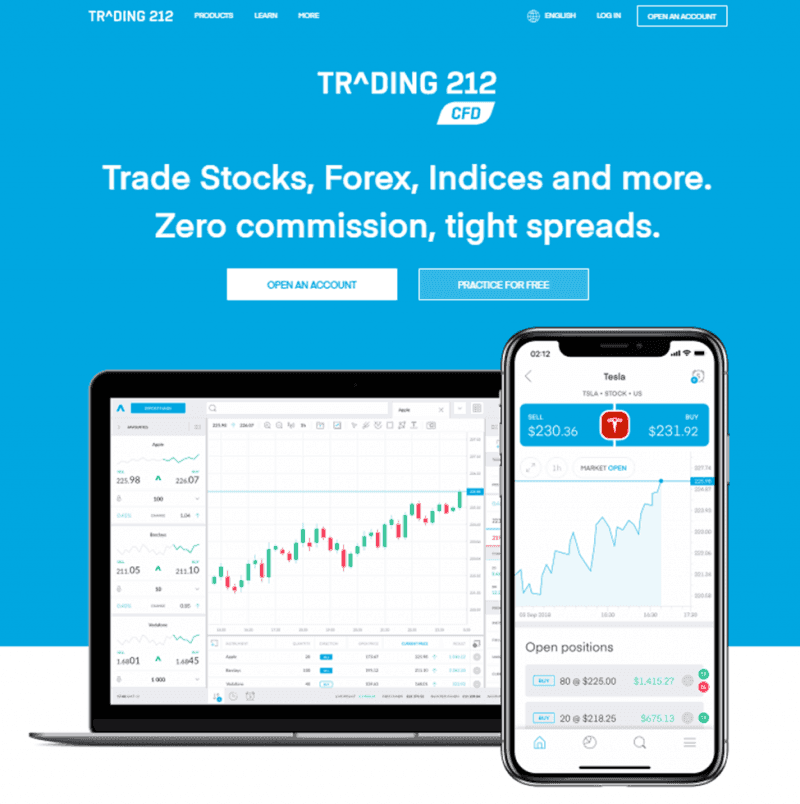
Trading 212 homepage
Then compare your realised average loss against the loss you intended. A gap means the discipline is not there yet, and that is far better to learn on virtual money. When you go live, start at minimum size with a broker whose conditions you have checked in our brokers hub.
Trading 212 homepage
FAQ
What are the best paper trading apps to trade with?
Depends what you need. TD Ameritrade's paperMoney has the deepest simulation and needs no account, IG's demo never expires, Trading 212 requires no registration at all, and Webull lets you set the virtual balance to match your real capital. Interactive Brokers and Webull both need a funded live account first.
How does paper trading work in 2026?
You place orders with virtual funds against live market data. Charts, order types and platform behaviour match the live environment, so what you learn about the interface carries over directly. Balances run from 10,000 dollars to a million, and some accounts expire after 21 or 30 days.
Why does paper trading matter for traders?
It separates two things that are expensive to learn separately: how a platform works, and whether a strategy holds up. It also shows whether you follow your own rules, since the habit of moving stops or skipping entries appears in simulation exactly as it does with real money.
What are the common mistakes?
Trading a virtual million with no relation to your real capital, which teaches nothing about sizing. Drawing conclusions from ten trades. Skipping the trade log. And treating simulated results as a forecast, when demo fills are usually better than live ones and the emotional pressure is entirely absent.
Do paper trading accounts expire?
Some do. AvaTrade runs 21 days, Capital.com allows 30, IG's does not expire at all, and Plus500 restores the virtual balance automatically when it drops below 200 pounds. Check the expiry before starting a test that needs several weeks, since a reset mid-run loses the record you were building.
Find Your Perfect Broker: Explore Our List Now!
Choose the best with our expert-selected options
Find Your Perfect Broker: Explore Our List Now!
Choose the best with our expert-selected options
Discover top binary options brokers tailored to your region. Browse our curated lists by country: